

Steam is one of the unsung heroes of small business. It shapes hats, presses suits, sterilizes tools, and makes jewelry sparkle. But if you’re not a boiler expert, the world of steam can seem complicated, filled with technical terms and complex machinery. How do you choose the right equipment? Start with our Which Steamer Is Right for Me? guide. How do you operate it safely?
You’ve come to the right place. This comprehensive commercial steam equipment guide will walk you through everything you need to know, from the basics of how boilers work to the specifics of safety and maintenance. We’ll break down the jargon and give you the confidence to select and use the perfect steam system for your business.
The Basics of Steam Generation
Before we dive into the details, let’s start with the fundamentals of how steam is made and what components are involved.
What is a Steam Boiler? An Overview
At its core, a steam boiler is a closed, pressurized vessel designed to do one thing: heat water until it turns into steam. This powerful vapor is then piped to wherever it’s needed, whether that’s a steam iron, an autoclave, or a shaping block. Boilers range in size from massive industrial units powering factories to the compact electric steamers used in workshops and boutiques.
How Does Commercial Steam Equipment Work?
The process is surprisingly simple. A heat source warms water inside a pressure vessel. As the water absorbs energy, it boils and transforms into pressurized steam. This steam collects at the top of the vessel, ready to be released through an outlet valve.
The heat can come from burning fuel like natural gas or from electricity. In a fuel fired boiler, a burner ignites the fuel, and the hot combustion gases transfer their heat to the water through a metal barrier called a heat exchanger. In an electric boiler, submerged heating elements warm the water directly, much like an electric kettle.
The Core Components of a Boiler System
While designs vary, most steam systems share a few key components that work together to produce steam safely and efficiently.
Heat Source (Burner or Elements): This is the engine of the boiler. In fuel fired units, it’s the burner assembly that mixes fuel and air to create a flame. In electric units, it’s a set of rugged heating elements that convert electricity into heat.
Heat Exchanger: This is the surface where heat is transferred to the water. In some designs, hot gases flow through tubes submerged in water. In others, water flows through tubes surrounded by heat.
Pressure Vessel: This is the main body or tank of the boiler, built to safely contain the pressurized water and steam. It’s typically made of steel and constructed according to strict safety codes.
Feedwater System: As water turns to steam and leaves the boiler, it must be replaced. The feedwater system, which includes a tank and a pump or manual fill port, supplies fresh water to the boiler.
Controls and Safety Devices: Modern boilers are equipped with an array of controls to ensure safe operation. These include pressure controls to regulate the heat source, a low water cutoff to prevent the boiler from running dry, and pressure relief valves that automatically vent excess steam to prevent over pressurization.
Types of Commercial Steam Equipment
Not all steam equipment is created equal. The design of a boiler has a major impact on its performance, size, and best use case. Understanding the main types is a key part of this commercial steam equipment guide.
Feature | Firetube Boiler | Watertube Boiler | Electric Steam Generator |
Best For | Constant, steady load | High pressure/Large scale | Small business/Specialized |
Footprint | Large | Very Large | Compact/Portable |
Startup Time | Slow (Longer) | Moderate | Fast (Minutes) |
Emissions | High (Requires Flue) | High (Requires Flue) | Zero (Eco-friendly) |
Maintenance | Moderate | High/Complex | Low/Simple |
Firetube vs. Watertube Boilers: What’s the Difference?
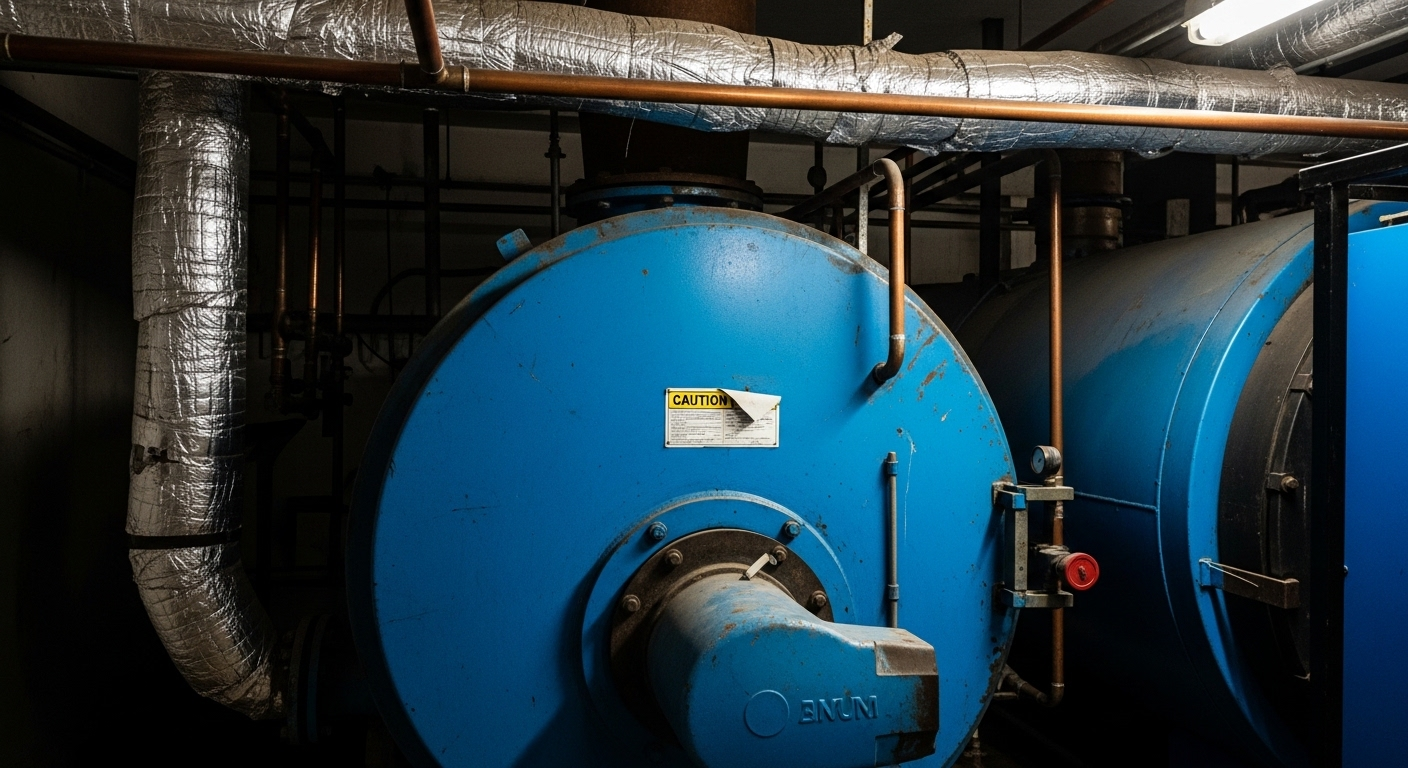
For decades, fuel fired boilers have been categorized into two main designs: firetube and watertube. The names tell you exactly how they work.
Firetube Boilers (Fire in the Tubes)
In a firetube boiler, hot combustion gases flow through a series of tubes that are submerged in a large tank of water. The heat transfers from the hot gases through the tube walls to the surrounding water, creating steam.
Advantages: They have a simple, rugged design, are generally less expensive, and are easier to maintain. Their large water volume acts as a buffer, providing stable steam pressure even when demand fluctuates.
Disadvantages: Their large, heavy shell limits them to lower pressures (often under 300 PSI). They are also slower to start up from a cold state.
Watertube Boilers (Water in the Tubes)
A watertube boiler flips the design. Water flows inside a network of small tubes, while the hot gases from the burner circulate around the outside of them.
Advantages: Because the pressure is contained within small, strong tubes, watertube boilers can handle extremely high pressures and generate massive amounts of steam. They also respond very quickly to changes in steam demand.
Disadvantages: They are far more complex, more expensive, and require a higher level of operational skill and stringent water treatment.
These traditional designs are the workhorses of large scale industry and building heat, but a more modern and accessible option has become the standard for small businesses.
The Modern Alternative: Industrial Electric Steam Generators
For most small businesses, a large, fuel fired boiler is overkill. An industrial electric steam generator (often called an electric boiler) is a compact, efficient, and clean alternative. Instead of a burner and flue, it uses electrical resistance heating elements submerged in water.
This simple design eliminates the need for fuel lines, exhaust stacks, and complex combustion controls. It makes them perfect for operations where space is limited, cleanliness is essential, and on site emissions are prohibited. Electric generators provide a reliable source of steam with a much smaller footprint and simpler installation, making them a central focus of any modern commercial steam equipment guide.
How to Size Your Commercial Steam Equipment
Choosing the right size is critical for efficiency. If the unit is too small, you’ll lose pressure; if it’s too large, you’ll waste energy. Consider these three metrics:
BHP (Boiler Horsepower): A traditional measure of output. $1\text{ BHP} \approx 34.5\text{ lbs}$ of steam per hour.
PSI (Pounds per Square Inch): The pressure required for your specific tool (e.g., jewelry cleaners usually need 60–80 PSI).
Recovery Time: How fast the unit returns to full pressure after a steam burst. Electric generators excel here for intermittent use.
Beyond these three metrics, electrical specifications—voltage, amperage, and circuit requirements—determine whether the unit will even run in your facility. For the full breakdown of power requirements across common commercial models, see our commercial steamer specs guide.
Applications and Benefits
Steam is incredibly versatile. From heavy industry to delicate artisan work, its applications are nearly endless.
Common Applications for Commercial Steam Equipment
While large boilers handle tasks like building heat and power generation, the small to mid size commercial steam equipment used by many businesses supports a diverse range of specialized tasks.
Garment Care and Fashion: Dry cleaners, tailors, and clothing boutiques use steam for pressing garments, removing wrinkles, and finishing fabrics. It’s also essential for hat makers who use steam to soften and shape felt.
Jewelry and Watchmaking: High pressure steam is the secret to making jewelry sparkle. It safely blasts away polishing compounds and grime from intricate settings without chemicals.
Upholstery and Automotive: Steam can be used to lift dents from wood, restore fabrics, and clean tough grime from car interiors and engine bays with minimal water usage. Businesses weighing steam against traditional wet-extraction methods should review our commercial steamer vs carpet extractor comparison — they serve overlapping but distinct cleaning needs, and the wrong choice means buying twice.
Specialty Trades and Light Manufacturing: Many other trades rely on steam. Taxidermists use it to shape hides, laboratories use it for sterilization in autoclaves, and food producers use it for cooking and sanitizing.
One question that comes up across nearly all of these applications: when does steam beat high-pressure water cleaning, and when is the reverse true? See our steamer vs pressure washer comparison for the use case breakdown — the two tools look similar on paper but solve very different problems.
For these kinds of specialized tasks, Hoffman Steam provides a range of factory‑direct electric steam boilers and trade‑specific bundles designed for reliability and ease of use.
Key Benefits of Electric Steam Generators
Electric steam generators offer clear advantages over their fuel fired counterparts, especially for the applications listed above.
Zero On Site Emissions: This is the biggest benefit. Electric boilers produce no combustion byproducts like NOx or carbon monoxide. This means no flue or chimney is needed, and they can be safely operated in enclosed spaces like retail stores, workshops, and labs.
High Efficiency: Electric steam generators are nearly 100% efficient at the point of use. Virtually all the electrical energy consumed is converted directly into steam heat, with no energy lost up a chimney.
Simple Installation and Maintenance: With no fuel lines, exhaust stacks, or complex burners, electric units are easier and cheaper to install. Maintenance is also simpler, typically involving periodic checks of the heating elements and controls.
Precise Control: Electric power can be controlled with great precision, allowing for stable steam pressure and rapid response to demand. They also have excellent turndown, meaning they can operate efficiently at very low output without the cycling losses that plague oversized fuel fired boilers.
Supporting Decarbonization Goals
As carbon taxes and “Net Zero” initiatives increase, electric steam equipment offers a future-proof solution. By eliminating on-site combustion, your business reduces its carbon footprint and avoids the increasing costs associated with fossil fuel emissions monitoring.
Understanding Performance and Efficiency
When choosing commercial steam equipment, performance metrics help you compare models and understand your long term operating costs. This part of our commercial steam equipment guide demystifies the key terms.
Decoding Boiler Efficiency: What the Numbers Mean
Boiler efficiency measures how effectively a unit converts energy input (fuel or electricity) into steam output. Higher efficiency means less wasted energy and lower operating costs.
Fuel to Steam Efficiency: Also called thermal efficiency, this is the rating you’ll see on a manufacturer’s spec sheet for a fuel fired boiler. It measures the percentage of fuel energy converted to steam under ideal, steady state conditions. A typical modern boiler might be 80 to 85% efficient.
In Service Efficiency: This is the real world efficiency of a boiler over time, accounting for factors like on and off cycling, running at low loads, and heat loss while idle. This number is often significantly lower than the rated efficiency, especially if the boiler is oversized for its application.
Because electric boilers have no flue losses, their on site or in service efficiency is nearly 100%, a major advantage for businesses with intermittent steam needs.
What is Boiler Turndown Ratio?
The turndown ratio is the ratio of a boiler’s maximum output to its minimum stable output. For example, a boiler with a 5:1 turndown ratio can run continuously at as low as 20% of its full power. A high turndown ratio is desirable because it allows the boiler to match low steam demand without shutting off and on, a process that wastes energy and causes wear. Electric boilers naturally have a very high turndown ratio, as power to the elements can be precisely modulated or staged. (If terms like turndown ratio are new to you, see our Top 10 Steamer Terms Explained.)
A Note on Modular Boiler Systems
Instead of one large boiler, a modular system uses multiple smaller boilers that work together. A controller brings modules online as steam demand increases. This approach offers great efficiency (as each active unit runs closer to its peak efficiency), redundancy (if one unit fails, others can carry the load), and scalability. You can think of it as applying the same principle to your business, perhaps using two smaller, specialized electric steamers instead of one oversized system.
Safety, Maintenance, and Compliance
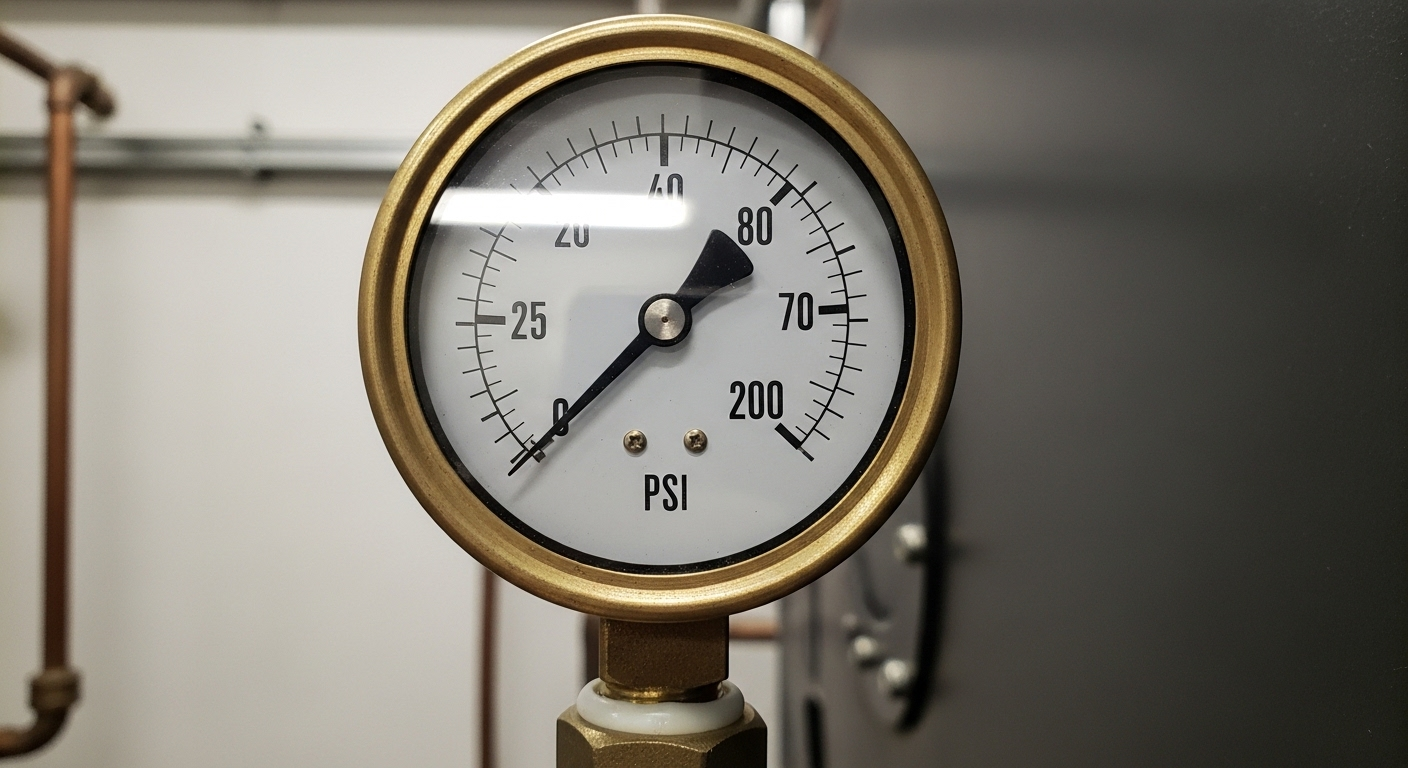
Steam is powerful, and working with pressurized commercial steam equipment demands a focus on safety and adherence to standards. Proper maintenance is not just about performance; it’s about protecting people and property. Following a good commercial steam equipment guide for safety is non negotiable.
Boiler Safety: Your Top Priority
Modern boilers are incredibly safe thanks to layers of redundant safety devices and strict manufacturing codes.
Pressure Relief Valves: This is the most critical safety device. It’s a spring loaded valve that automatically opens to vent steam if the pressure inside the boiler exceeds its safe limit, preventing a catastrophic failure.
Low Water Cutoff: Running a boiler without enough water can cause it to overheat and rupture in seconds. A low water cutoff is a sensor that automatically shuts off the heat source if the water level drops to a dangerous point.
Operating Controls: Devices like pressurestats and thermostats regulate the boiler’s normal operation, turning the heat source on and off to maintain the desired pressure or temperature, well below the relief valve’s setting.
Understanding NOx Ratings and Emissions
NOx, or nitrogen oxides, are harmful pollutants created during high temperature fuel combustion. They contribute to smog and acid rain. As a result, many regions have strict regulations limiting NOx emissions from boilers. Fuel fired boilers are rated based on how much NOx they produce, often measured in parts per million (ppm). Low NOx technology is a key feature of modern burners. Of course, with electric steam equipment, NOx emissions are zero, completely avoiding these regulations and environmental concerns.
Codes and Standards for Steam Equipment
To ensure public safety, steam equipment is governed by rigorous codes and standards.
ASME: The American Society of Mechanical Engineers (ASME) Boiler and Pressure Vessel Code is the leading standard for boiler construction in North America. An “ASME stamp” on a boiler means it was built and inspected to meet these exacting safety standards. Historically, the ASME code was created in 1915 to stop the frequent and deadly boiler explosions of the industrial era.
UL: Underwriters Laboratories (UL) provides safety certification for electrical components. A UL listing on an electric boiler means its wiring, controls, and overall construction have been tested and certified for electrical safety.
When you invest in equipment, ensuring it is ASME and UL certified provides peace of mind that it is built to last and operate safely. For that reason, Hoffman Steam’s professional boilers are all built to ASME code and are UL certified. You can review current compliance certificates in our product documents.
Essential Boiler Maintenance and Monitoring
Regular maintenance is the key to a long, efficient, and safe service life for your steam equipment. A good routine includes:
Daily Checks: Monitor the pressure gauge and water level. For electric boilers, check that elements are heating correctly.
Blowdown: Periodically drain a small amount of water from the boiler to remove accumulated sediment and dissolved solids that can form scale or cause corrosion.
Cleaning: Keep the exterior of the unit clean and ensure all controls and gauges are visible and functioning. For electric units, periodically inspect heating elements for scale buildup.
Monitoring System: The boiler’s control system is its brain. It monitors sensors for pressure, water level, and temperature, and automatically controls the heat source and feedwater system to maintain safe and steady operation.
The Role of Water Treatment in Boiler Health
The quality of the water you put in your boiler has a huge impact on its health. For a quick primer, download our Water 101 free ebook. Untreated water contains minerals (hardness) that can form an insulating layer of scale on heating surfaces. Just 1 millimeter of scale can increase energy consumption by a noticeable percentage by forcing the boiler to work harder.
Water Softener: A water softener is a device that removes hardness minerals like calcium and magnesium from the feedwater before it enters the boiler. This is the single best step to prevent scale formation.
Chemical Treatment: In larger systems, chemicals may be added to the water to scavenge corrosive oxygen, control the pH, and keep any remaining solids from sticking to surfaces.
For most small electric boilers, using softened or distilled water is sufficient to prevent scale and ensure a long life for the heating elements and vessel.
Commercial Steamer Buying Checklist
Before purchasing, ensure your facility meets these requirements:
[ ] Power Supply: Do you have 208V, 240V, or 480V three-phase power available?
[ ] Water Source: Is there a dedicated water line nearby, or do you need a manual-fill model?
[ ] Drainage: Do you have a floor drain or a blowdown tank for daily maintenance?
[ ] Ventilation: If choosing gas, do you have roof access for a flue? (Not required for electric).
[ ] Certification: Does your local code require an ASME-stamped vessel?
Your Commercial Steam Equipment Guide FAQ
What’s the main difference between a boiler and a steam generator?
The terms are often used interchangeably. Generally, “boiler” refers to larger, fuel fired vessels for heating or industrial processes. “Steam generator” often refers to more compact, faster acting units, especially electric ones designed for specific tasks rather than general heating.
Do I need a special license to operate a small commercial steam boiler?
It depends on your location and the boiler’s pressure and size. Many small, low pressure electric boilers, especially those operating below 15 PSI, do not require a licensed operator. However, high pressure systems almost always do. Always check your local and state regulations.
Why is water treatment so important for steam equipment?
Untreated water causes scale and corrosion. Scale acts like insulation, wasting energy and potentially causing the boiler to overheat. Corrosion eats away at the metal, which can lead to leaks and dangerous failures. Good water quality is the key to efficiency and safety.
Are electric steam boilers cheaper to run than gas boilers?
It depends on local utility rates. While electricity can be more expensive than natural gas per unit of energy, electric boilers are nearly 100% efficient, have no standby losses from a pilot light or flue, require less maintenance, and have lower installation costs. For the intermittent use common in small businesses, an electric unit is often more economical overall.
How often should I perform maintenance on my commercial steam equipment?
You should perform daily visual checks of the water level and pressure. A regular blowdown (daily or weekly, depending on use and water quality) is also critical. A more thorough annual inspection of controls and components is recommended. Always follow the manufacturer’s specific maintenance schedule.
What does ASME certified mean for a boiler?
An ASME certification means the boiler was designed, constructed, inspected, and tested according to the rigorous safety standards of the American Society of Mechanical Engineers. It’s a guarantee of the pressure vessel’s quality and safety.
Choosing the right machine is a critical step for your business. We hope this commercial steam equipment guide has given you a clearer understanding of your options. For businesses that rely on clean, reliable, and on demand steam for specialized work, an electric steam generator is often the perfect solution. To find the right fit for your trade, you can explore a full range of commercial electric steam solutions built for professionals like you.


