

Choosing a commercial steam boiler isn’t like buying a new office chair. It’s a critical investment in your business’s productivity, safety, and bottom line. Whether you’re shaping hats, cleaning jewelry, finishing garments, or running a dental lab, the right steam partner can make all the difference. But with so many technical specs, system configurations, and vendor promises floating around, how do you make a smart choice?
You need a plan. This comprehensive commercial steam vendor checklist walks you through the essential questions you must ask before you buy. From initial design and cooking method selection to lifecycle costs and long term support, everything you need to confidently select a vendor that powers your business for years to come.
Explore Hoffman Steam’s full product line with transparent pricing online.
At a Glance: Top 5 Selection Criteria
When vetting a commercial steam vendor in 2026, prioritize these five benchmarks to ensure ROI and safety:
- Certifications: Must carry ASME (Pressure Vessel) and UL (Electrical) stamps.
- Efficiency: Look for 98%+ thermal efficiency (standard for modern electric boilers).
- Compliance: Ensure zero emission operation to bypass tightening local combustion permits.
- Uptime Guarantee: Ask for an SLA on spare parts (ideally 24 to 48 hour shipping).
- Scalability: Prefer modular designs that allow you to add units as steam demand grows.
The Blueprint: Sizing, Design, and System Layout
Getting the foundation right is everything. A boiler that’s too small won’t keep up, and one that’s too big wastes energy and money. Your vendor should be a partner in planning the physical system.
1. Sizing and Design Methodology
How does the vendor determine the right boiler for your specific application? A one size fits all approach is a red flag. A good vendor will ask about your peak steam demand, daily operating hours, and specific uses (like a steam gun versus a continuous feed). They should guide you to a model that meets your needs without expensive overkill. For a deep dive on matching boiler output to your shop, see our small industrial steam sizing guide.
2. Capacity Requirement Calculation
Before talking to any vendor, calculate your actual steam needs. This means adding up the steam consumption of every tool that will run simultaneously: irons, nozzles, spray guns, cleaning wands. Capacity is typically measured in pounds or kilograms of steam per hour. Practitioners on Reddit’s r/jewelers and similar trade forums often mention that underestimating peak load is the most common sizing mistake. If you run three steam tools at once during rush periods, your boiler must handle that combined draw, not just the average.
A useful rule of thumb: list every steam consuming device, note its rated steam consumption (usually on the spec sheet), and add 15% to 20% as a buffer. Then match that number to the vendor’s output ratings. A vendor who doesn’t walk you through this math is not doing their job.
3. Capacity Range and Scalability
What are the boiler’s output limits, and can the system grow with your business? Ask about scalability. Modular systems, where multiple smaller units work in tandem, are a great option. Using several right sized units on an on demand basis can yield energy savings of up to 20% compared to a single oversized boiler. This approach allows you to add capacity as you expand rather than buying more machine than you need today.
4. Cooking Method and Steam Application Selection
The term “cooking method” may sound odd in an industrial context, but it’s borrowed from foodservice steam equipment and the concept translates directly. Different applications require fundamentally different steam delivery methods. A jewelry store needs high pressure bursts from a nozzle. A hat shop needs sustained, lower pressure flow through a cone or brim block. A garment finisher needs consistent volume through an iron or press.
Ask the vendor: does your equipment support my specific application method? Some boilers are designed for intermittent, high pressure cleaning. Others are built for continuous duty pressing. Getting this wrong means buying equipment that technically produces steam but delivers it in the wrong way for your work.
5. Boiler Based vs. Boilerless Selection
Not every operation needs a traditional pressure vessel boiler. Boilerless (also called flash or instantaneous) steamers heat water on demand as it passes over an element, producing steam without storing pressurized water. They’re lighter, require no boiler permits in most jurisdictions, and are ideal for lower volume or retail settings.
A boiler based system, by contrast, stores heated water under pressure and delivers higher PSI output for longer durations. This is the right choice for continuous duty applications like garment finishing lines or industrial cleaning.
The GEM III is a good example of the boilerless category: portable, non pressurized, and mall approved. Compare that to the RHPG series, which are true boiler based systems built for all day industrial use.
6. Connectionless vs. Plumbed Selection
Some steam boilers require a permanent plumbing connection (water supply line and drain). Others are connectionless, meaning you fill them manually with a funnel or pitcher. Each approach has trade offs.
Connectionless units are simpler to install and relocate. They work well in spaces without easy access to plumbing, like retail floors or mobile setups. The downside is manual refilling, which interrupts workflow on busy days.
Plumbed units with automatic pump fill systems eliminate that interruption. They draw water from a supply line and can run continuously without operator attention. For high volume shops, this is usually worth the extra installation cost.
Ask your vendor which models support each configuration and whether you can upgrade from manual fill to pump fill later. Flexibility here protects your investment. For a full comparison, read the manual fill vs auto fill guide.
7. Pipe Sizing and Pressure Drop
Does the vendor provide guidance on steam piping? Incorrectly sized pipes can starve your equipment of pressure or cause inefficiency. A knowledgeable vendor should offer clear specifications or support for calculating the right pipe diameter to minimize pressure drop between the boiler and your tools.
8. Steam Trap Placement and Water Hammer Prevention
How will the system handle condensate? Proper steam trap placement is critical for removing water from steam lines, which improves efficiency and prevents a dangerous phenomenon called water hammer. Your vendor should provide clear installation diagrams and support to ensure your system is set up safely from day one. For a primer on feedwater quality and scaling prevention, see the Water 101 guide.
Installation and Infrastructure Requirements
Too many buyers focus entirely on the boiler itself and forget about the facility that has to support it. These questions belong on every commercial steam vendor checklist because they determine whether your new equipment will actually work in your space.
1. Electrical Requirement Verification
Commercial steamers come in 110V and 220V configurations, and the difference matters more than most people realize. A 110V unit can plug into a standard outlet, making it ideal for boutiques, small jewelry stores, and mobile setups. A 220V unit (single phase or three phase) delivers significantly more heating power but requires a dedicated circuit and potentially an electrician to install the outlet.
Ask the vendor exactly what electrical service the unit requires: voltage, amperage, and phase. Then verify with your building’s electrical panel. One common mistake, especially in older buildings, is assuming there’s enough amperage on an existing circuit. Running a 15 amp steamer on a circuit that also powers your lights and POS system is a recipe for tripped breakers. Our 110V vs 220V steamer guide breaks this down further.
2. Water Pressure and Drain Requirements
For plumbed units with automatic fill systems, confirm the minimum water supply pressure the boiler needs (typically 20 to 30 PSI from the supply line). If your building has low municipal water pressure, you may need a booster pump.
Drain requirements matter too. Some units need a floor drain or sink drain within reach for blowdown (periodic flushing of mineral buildup). If your space lacks a nearby drain, a connectionless manual fill unit may be the smarter choice.
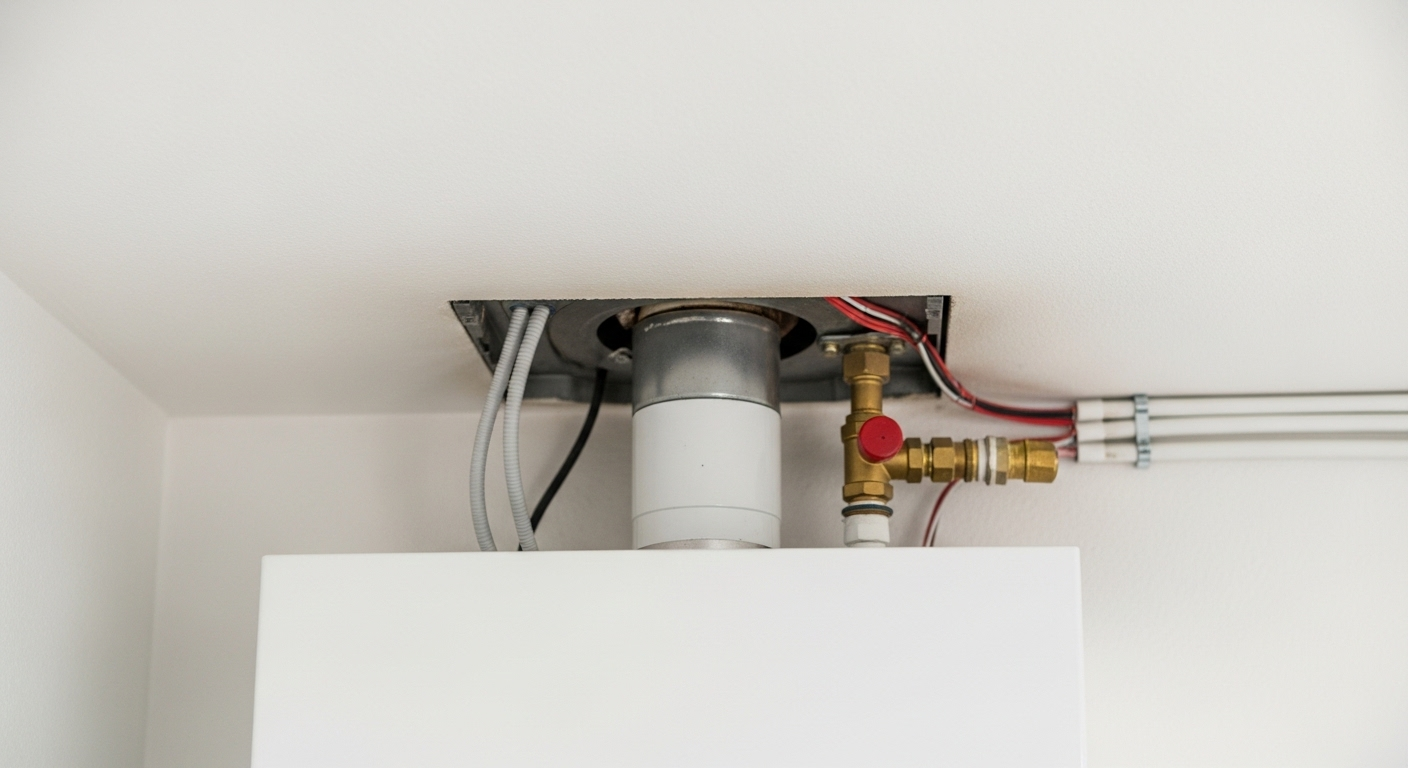
3. Ventilation and Clearance Planning
Electric steamers produce no combustion exhaust, so they don’t need a flue or chimney. That’s a major advantage over gas fired equipment. But they still need adequate clearance around the unit for air circulation, maintenance access, and safety.
Ask the vendor for minimum clearance specifications on all sides and above the unit. In tight shop environments, this can determine where the boiler goes. Some operators on trade forums report mounting units on rolling carts (Hoffman offers equipment carts for several models) to solve the clearance problem while keeping the unit mobile.
4. Equipment Mobility and Base Options
Will the steamer sit in one spot forever, or does it need to move between workstations? This matters more than it might seem. A jewelry store with a single bench setup has different needs than a hat shop where the steamer needs to reach multiple shaping stations.
Ask whether the vendor offers rolling bases, casters, or portable configurations. The GEM III, for instance, is designed to be fully portable. Larger boiler based units can often be paired with an equipment cart, which makes repositioning possible without a forklift.
The Engine: Performance, Efficiency, and Cost
A boiler’s performance directly impacts your operating costs. The best vendors are transparent about efficiency and can back up their claims. This part of your commercial steam vendor checklist is all about the numbers.
1. Thermal Efficiency Guarantee
What is the boiler’s guaranteed thermal efficiency? This number tells you how much of the input energy is converted into useful steam. Gas boilers might top out around 95% efficiency, but electric boilers are a different story. They are virtually 100% efficient at the point of use, meaning every bit of electricity consumed becomes steam heat. This is a massive advantage for long term operating costs.
2. Energy Efficiency and ENERGY STAR Considerations
Beyond thermal efficiency at the point of use, consider the broader energy picture. While ENERGY STAR certification programs exist primarily for foodservice steam equipment (combi ovens, steam cookers), the underlying principles apply to any commercial steam purchase. Look for features that reduce standby energy waste: insulated tanks, automatic shutoff timers, and standby modes that maintain temperature at reduced power draw.
Some federal and state utility programs offer rebates for high efficiency commercial electric equipment. Ask your vendor whether their units qualify for any local incentive programs. Even without a formal ENERGY STAR label, a well insulated electric boiler with smart controls will outperform a bare bones unit on energy cost by a meaningful margin.
3. Lifecycle Cost Analysis
Purchase price is just the beginning. A thorough commercial steam vendor checklist should include a five year lifecycle cost projection that accounts for:
- Purchase price (including any financing costs)
- Installation (electrician, plumbing, any building modifications)
- Energy consumption (monthly electricity based on rated wattage and expected daily run hours)
- Water and consumables (filters, gaskets, heating elements)
- Maintenance (scheduled service, descaling, inspections)
- Downtime costs (lost revenue when the boiler is out of service)
Electric boilers tend to win on lifecycle cost because they have fewer moving parts, no burner tuning, no flue maintenance, and no combustion permit renewal fees. The ROI calculator guide can help you run these numbers for your specific situation.
4. Specific Fuel Consumption
For fuel burning boilers, what is the specific fuel consumption? This metric measures how much fuel is needed to produce a unit of steam. A lower number means higher efficiency. While this doesn’t apply to electric boilers (which have no fuel), it’s a critical question for any vendor selling gas or oil fired equipment.
5. Emissions Compliance and Guarantee
Does the boiler meet local and federal emissions standards? For fuel burning boilers, this means controlling pollutants like nitrogen oxides (NOₓ). In some areas, this requires expensive ultra low NOₓ burners. Electric boilers produce no NOₓ, SO₂, or particulate matter at the point of use, making emissions compliance a non issue for your facility. For more on the electric vs gas decision, read the electric vs gas small business guide.
Quick Comparison: Electric vs. Combustion Steam Systems
| Feature | Electric Steam Boilers | Gas/Fuel Fired Boilers |
|---|---|---|
| Energy Efficiency | ~99% (Point of use) | 75% to 95% (Varies by load) |
| Permitting | Minimal/None in most areas | High (NOx/Air Quality permits) |
| Installation Cost | Lower (No venting/flues) | Higher (Requires exhaust piping) |
| On site Emissions | Zero | CO, NOx, and Particulates |
| Maintenance | Low (Heating elements) | High (Burner tuning and venting) |
The Guardrails: Safety, Certification, and Compliance
Safety is non negotiable. Your boiler must be built to code and equipped with modern safety features. An essential part of your commercial steam vendor checklist is verifying certifications.
1. Standards and Certification Compliance
Is the boiler certified by recognized bodies like ASME and UL? The ASME Boiler and Pressure Vessel Code is the gold standard for safety in North America. In the early 1900s, boiler explosions were tragically common, but the adoption of ASME standards made such events incredibly rare. Never purchase a boiler without an ASME stamp or a UL listing for its electrical components. Reputable vendors provide compliance documentation with every Pro Line unit.
2. Safety Controls and Interlocks
What safety mechanisms are built in? Look for essential features like a pressure relief valve, low water cutoff controls, and high limit pressure switches. These interlocks automatically shut the system down if conditions become unsafe, protecting your equipment and your team.
3. Feature Assessment: Forced Convection, Vacuum Pump, Closed System, and Insulation
Beyond the basics, certain features separate a good steamer from a great one. When comparing vendors, ask specifically about:
- Forced convection: Does the unit actively circulate steam or heat within the chamber? This matters for applications where even heat distribution is critical.
- Vacuum pump: Some higher end systems include vacuum functionality for pulling moisture out of fabrics after steaming. This speeds drying and improves finish quality in garment pressing.
- Closed system design: A closed loop condensate return system recycles water, reducing consumption and mineral buildup. This extends element life and reduces descaling frequency.
- Insulation: A well insulated tank retains heat during idle periods, reducing the energy needed to maintain operating temperature. Ask the vendor about insulation material and thickness. Uninsulated boilers can lose 10% or more of their heat to the surrounding air, which also makes the workspace uncomfortably warm.
4. Control and Standby Mode Evaluation
Does the unit offer programmable controls or a standby mode? A steamer that drops to a low power holding temperature when idle, then ramps up quickly when you pull the trigger, will use significantly less electricity over an 8 to 10 hour workday than one that runs at full power continuously.
Ask the vendor: what is the recovery time from standby to full operating pressure? If the answer is more than a few minutes, that standby mode may not be practical during a busy day. The best systems recover in under 60 seconds.
The Partnership: Installation, Training, and Long Term Support
The relationship with your vendor doesn’t end at the checkout. The best partners support you through installation, training, and the entire life of the equipment.
1. Installation Scope and Qualified Personnel
What’s included with the installation? While most vendors don’t send an installer, they should provide comprehensive manuals, wiring diagrams, and remote support for your local plumber or electrician. Clear guidance ensures a smooth and correct setup.
2. Commissioning and Training Support
Does the vendor help get you started? Commissioning involves testing the boiler after installation to ensure it runs to spec. This is often required to validate the warranty. A good vendor will also offer training for your staff on proper operation and daily maintenance. Hoffman Steam, for example, provides virtual demos and lifetime remote technical support to ensure operators are always comfortable with their equipment.
3. After Sales Service and Maintenance Plan
What happens when you need help or maintenance? Lack of maintenance is a leading cause of boiler failure, and aging equipment has been found to cause 44% of unplanned downtime in industrial settings according to plant reliability research. Proactive plans like the Workhorse Protection Program offer scheduled maintenance, automatic consumable shipments, and even loaner units to guarantee uptime. This is a critical item for any commercial steam vendor checklist.
4. Maintenance and Safety Best Practices
Beyond what the vendor offers, ask what the recommended maintenance schedule looks like. How often should heating elements be inspected? When should gaskets be replaced? What’s the descaling interval based on local water hardness?
A trustworthy vendor publishes this information clearly rather than burying it in fine print. The boiler maintenance checklist offers a practical starting framework. One user on r/BenchJewelers reported using a Hoffman steamer for over 24 years, attributing the longevity to consistent descaling and annual element checks. That kind of lifespan is achievable, but only with disciplined upkeep.
5. Spare Part Availability and SLA
How quickly can you get spare parts? A boiler that’s down for a week waiting on a heating element can cripple a small business. Choosing a U.S. based manufacturer often means faster and more reliable access to parts. Ask about their inventory and shipping commitments.
6. Inspection Record and Maintenance Schedule
Does the vendor provide tools to track maintenance? A well maintained boiler lasts longer and runs more safely. Your vendor should provide a recommended maintenance schedule, and some service plans will manage these records for you, which is helpful for regulatory inspections.
The 2026 Green Mandate: Future Proofing Your Facility
In 2026, procurement isn’t just about the machine. It’s about the regulatory footprint.
- Carbon Neutrality Goals: Many commercial leases now require tenants to move away from onsite combustion.
- Indoor Air Quality (IAQ): Choosing electric steam eliminates the risk of combustion byproducts leaking into the workspace, a major factor in modern OSHA compliance and LEED certifications.
- Simplified Inspections: Electric units often bypass the rigorous annual air quality inspections required for fuel burning boilers, saving hundreds in administrative costs.
The Brains and The Proof: Advanced Features and Verification
A modern commercial steam vendor checklist must include questions about technology, procurement compliance, and trust.
1. Control System Integration and Multi Boiler Load Sharing
Can the boiler’s controls integrate with other systems? For businesses with growing needs, multi boiler load sharing is a game changer. This allows two or more units to communicate, automatically sequencing on and off to match steam demand perfectly, saving energy and reducing wear and tear.
2. Performance Testing and Third Party Verification
How is performance verified? The best proof comes from third party certifications like ASME and UL. These organizations independently test and verify that the equipment meets strict safety and performance standards. Don’t just take the vendor’s word for it. Ask for the stamp.
3. Federal Purchasing Requirements and FAR Language
If you’re buying steam equipment with government funds or for a government facility, you need to understand the Federal Acquisition Regulation (FAR) compliance requirements. Federal purchasers must use specific contract language and often need to source from approved vendors listed in systems like the General Services Administration (GSA) schedule.
Key product identification codes to know:
- GSA Schedule: Check whether the vendor’s products are listed on a GSA contract for streamlined federal purchasing.
- DLA (Defense Logistics Agency): Relevant for military or DoD facility procurement.
- UNSPSC codes: The United Nations Standard Products and Services Code classifies steam equipment under specific categories that procurement systems recognize. For electric steam boilers, look for codes in the 40101800 range (boilers).
- ENAC or equivalent accreditation: Relevant primarily in European procurement but occasionally referenced in international contracts.
Even if you’re not a federal buyer today, having a vendor whose products carry proper classification codes makes future government or institutional sales easier.
4. Project References and Case Studies
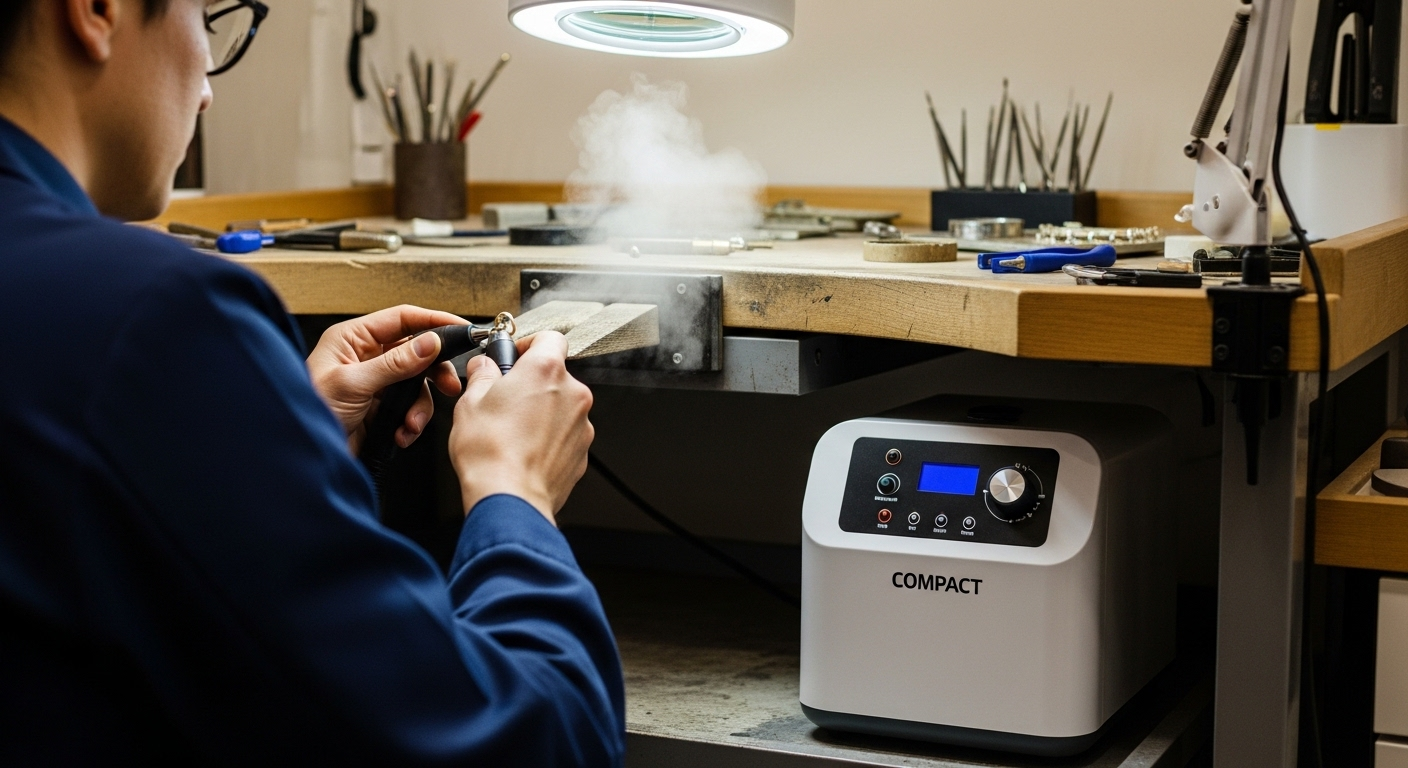
Who else uses their equipment? Ask for references or case studies from businesses similar to yours. Seeing real world success stories from brands like Gigi Pip or Will Jewelers provides confidence that you’re choosing a proven solution. Reputable vendors are proud to share their customers’ success. If you’re evaluating steam for jewelry operations, start with the jewelry steam cleaning guide.
Your Final Commercial Steam Vendor Checklist Takeaway
Choosing the right commercial steam vendor is about finding a long term partner, not just a piece of equipment. By using this detailed commercial steam vendor checklist, you can cut through the noise and evaluate potential suppliers on the criteria that truly matter: design, performance, safety, infrastructure fit, and support. A thorough process today ensures you get a reliable, efficient, and safe steam system that will serve your business for decades.
Ready to compare models? Browse the full Hoffman Steam lineup with published pricing and specs.
Vendor Vetting Scorecard (Copy and Save)
Use this 1 to 5 scoring system when interviewing your top three vendors:
| Question | Vendor A | Vendor B | Vendor C |
|---|---|---|---|
| Does the unit have an ASME Stamp? | [ ] | [ ] | [ ] |
| Is there a “Loaner” program for downtime? | [ ] | [ ] | [ ] |
| Are parts stocked in the USA? | [ ] | [ ] | [ ] |
| Can the system scale modularly? | [ ] | [ ] | [ ] |
| Does the vendor verify electrical/water requirements? | [ ] | [ ] | [ ] |
| Is lifecycle cost documentation available? | [ ] | [ ] | [ ] |
| Are federal procurement codes (UNSPSC/GSA) available? | [ ] | [ ] | [ ] |
| Total Score (Higher is Better) | /35 | /35 | /35 |
Frequently Asked Questions
1. What is the most important item on a commercial steam vendor checklist?
While every point is important, Standards and Certification Compliance (ASME/UL) is arguably the most critical. It is the foundation of safety, legality, and insurability. An uncertified boiler is a serious risk to your business and employees.
2. How do I calculate the right capacity for my commercial steam boiler?
A good vendor will help you through their sizing methodology. List every steam consuming tool you’ll run at the same time, note each one’s rated steam draw, then add 15% to 20% as a buffer. Match that total to the vendor’s output specs. They should ask about your specific applications (how many irons, nozzles, or cleaning wands run simultaneously) and your expected daily usage.
3. What’s the difference between connectionless and plumbed steamers?
Connectionless (manual fill) units don’t need a water supply line. You fill them by hand, which makes installation simple and relocation easy. Plumbed units with automatic pump fill connect to a water line and run without manual intervention. For high volume continuous use, plumbed is usually worth it. For retail or low volume settings, connectionless is simpler.
4. Why should I consider an electric boiler over a gas one?
Electric boilers offer major advantages in thermal efficiency (nearly 100%) and emissions compliance (zero onsite emissions). This simplifies installation (often no permits needed) and lowers long term operating costs. The best electric steam boiler guide covers this comparison in detail.
5. What kind of support should I expect after my purchase?
Look for a vendor that offers a comprehensive after sales service and maintenance plan. At a minimum, this should include accessible technical support. Premium plans may offer scheduled maintenance, automatic parts delivery, and loaner machines to prevent downtime.
6. How much does a commercial steam boiler cost?
Prices vary widely based on size, pressure, and certifications. A small, non certified flash steamer might cost around $1,000, while a larger, ASME certified boiler with an automatic pump system could be $8,000 or more. Reputable vendors publish their pricing online for full transparency.
7. Do I need special electrical work for a commercial steamer?
It depends on the model. 110V units plug into standard outlets. 220V units (single or three phase) require a dedicated circuit installed by a licensed electrician. Always verify your building’s electrical capacity before purchasing.
8. What federal procurement codes apply to commercial steam equipment?
For government purchasing, commercial steam boilers typically fall under UNSPSC code range 40101800. Check whether the vendor is listed on a GSA schedule or can provide the documentation needed for FAR compliant procurement.
9. How can I verify a vendor’s claims?
Ask for project references and case studies, and look for third party verification like ASME stamps and UL listings. Seeing that other businesses in your industry trust the vendor is powerful social proof.
10. What makes a good commercial steam vendor checklist?
A great commercial steam vendor checklist goes beyond just price and features. It covers the entire lifecycle of the equipment: initial design, infrastructure requirements, installation, efficiency, safety, maintenance, and end of life support. It helps you evaluate the vendor as a true partner, not just a seller.


