

Shopping for a commercial steamer can feel like deciphering a secret code. You’re looking at terms like amperage, phase configuration, and hydrostatic tests, and just want to know one thing: is this the right machine for my business? Whether you’re setting up a jewelry steamer, a hat shaping station, or a garment finishing system, understanding the technical details is key to a safe, efficient, and cost effective purchase.
This guide is designed to make sense of it all. We will walk through the essential numbers and terms, breaking down the most important commercial steamer specs explained in simple language. Getting this right means you choose a boiler that works with your building’s power, fits in your space, and meets all safety codes from day one.
Quick Summary: Commercial Steamer Power Requirements To select the right commercial steamer in 2026, prioritize three electrical specs: Voltage (typically 208V or 240V for North America), Phase (Single-phase for small shops, Three-phase for industrial output), and Amperage (size breakers at 125% of the machine’s draw). High-output units (6kW–36kW) usually require dedicated 3-phase circuits to ensure consistent steam pressure and safety compliance.
Understanding the Electrical Foundation
Before you can even think about steam, you need to think about power. The electrical specifications are the most critical part of choosing a commercial steamer because they determine if you can even plug the machine in. Understanding these specs is just one piece of a larger selection process — for the full framework covering boiler types, safety codes, and use cases, see our commercial steam equipment guide. Power requirements are the first step within that broader decision.
Electrical Power Supply Specification
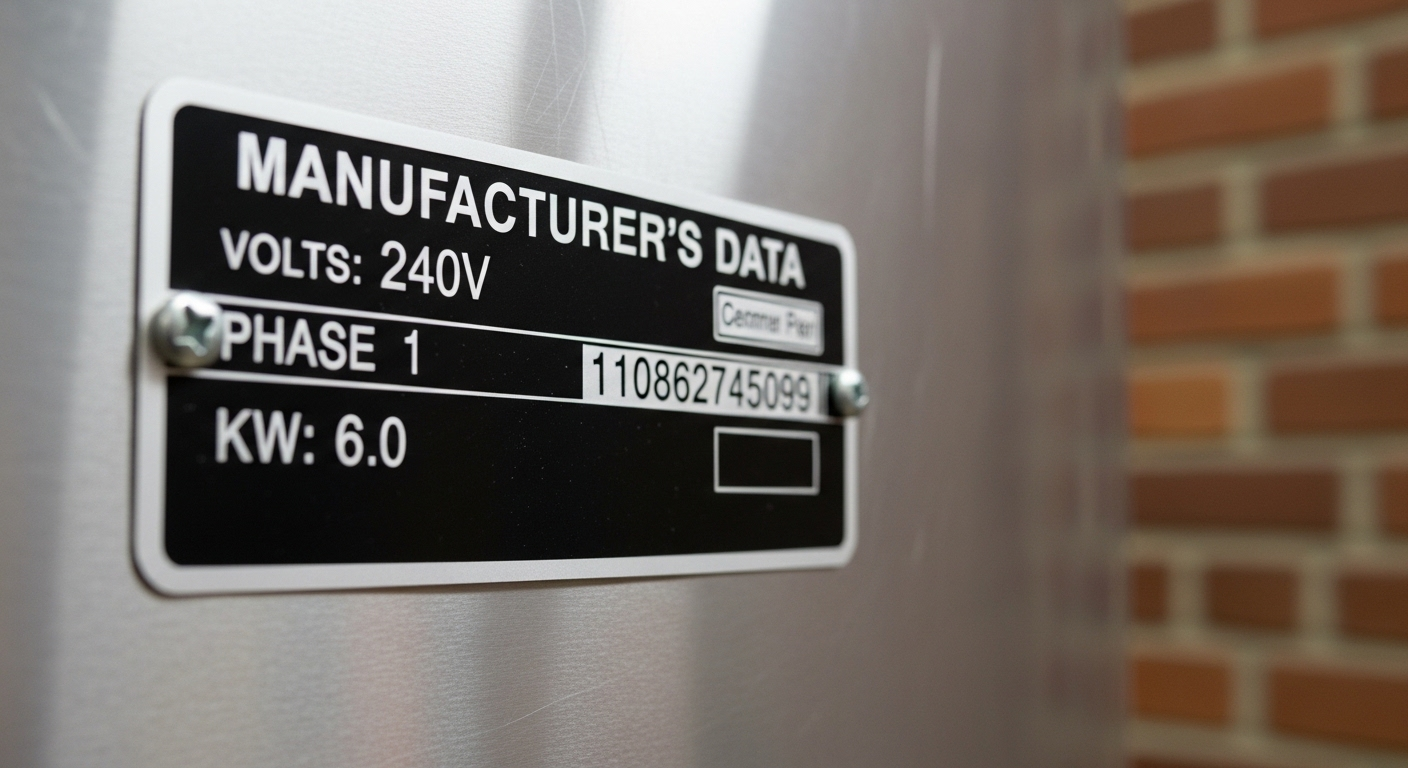
Think of this as the steamer’s electrical “diet”. It tells you exactly what kind of power the machine needs to run. This includes the required voltage (like 120V or 240V), phase (single phase or three phase), and frequency (usually 60 Hz in the US). Matching your building’s available power to the boiler’s specification is non negotiable. Connecting a machine to the wrong voltage can cause serious damage.
Wattage Rating (kW)
Wattage is a direct measure of a boiler’s heating power. A higher wattage rating means more power, which translates to more steam production and faster heat up times. A small 1.5 kW (1500 watt) steamer is great for light tasks, while a larger 12 kW unit can handle continuous industrial use. Since electric boilers are nearly 100% efficient, the wattage rating tells you exactly how much heat the unit can generate. For example, a 12 kW boiler produces about 40,944 BTU per hour of steam heat.
Voltage and Phase Options
Voltage Option: Boilers are built for specific voltages. This is one of the most important commercial steamer specs explained in any product manual. Common options in the US include 120V, 208V, 240V, and 480V. A small shop might only have 120V outlets, while an industrial facility will have 480V three phase power. Hoffman Steam, for instance, offers its ELG4 boiler with a 110V option for simple setups or a 220V option for double the power.
Phase Configuration: This refers to whether the boiler needs single phase or three phase power.
Single Phase: Common in residential and small commercial settings (like a standard wall outlet).
Three Phase: Delivers more power more efficiently and is standard in larger commercial and industrial buildings. A 15 kW boiler running on single phase 240V power would draw a heavy 62.5 amps, while the same unit on three phase 208V power would draw a more manageable 42 amps per line.
Amperage and Breaker Size
Amperage (or amps) is the amount of electrical current the steamer draws. This number directly determines the size of the circuit breaker you need. Electrical codes treat boilers as a continuous load, so the circuit must be oversized for safety. The rule of thumb is to size the breaker and wiring for 125% of the machine’s maximum amp draw. For example, a steamer that pulls 24 amps needs a 30 amp breaker (24 A × 1.25 = 30 A). Using a breaker that’s too small will cause nuisance tripping, while one that’s too large creates a fire hazard.
Power Requirement by Model
Manufacturers typically offer a lineup of models with different power ratings. You might see a product family that includes a 3 kW model, a 6 kW model, and a 12 kW model. Each step up in power will have different electrical requirements. For example, Hoffman Steam’s product line ranges from a 1.5 kW portable unit that runs on a standard outlet to a 36 kW industrial boiler that requires a dedicated three phase circuit. Reviewing the power requirement by model helps you find the sweet spot between the steam output you need and the electrical service you have available.
Steamer Category | Typical Wattage (kW) | Voltage/Phase | Best For |
Countertop / Portable | 1.5 – 3.0 kW | 120V / Single | Jewelry cleaning, light garment touch-ups |
Mid-Range Commercial | 6.0 – 12.0 kW | 208V-240V / 1 or 3 | Hat shaping, busy retail garment finishing |
Industrial / High-Volume | 18.0 – 36.0 kW | 480V / 3-Phase | Industrial laundries, large-scale manufacturing |
Grounding Requirement
Grounding is a critical safety feature. It provides a safe path for electricity to flow in case of a short circuit, immediately tripping the breaker and preventing the machine’s metal body from becoming energized. Every commercial steamer must be connected to your building’s earth ground using a dedicated grounding wire. This is a mandatory step for safety and code compliance.
Installation and Physical Setup
Once you’ve confirmed the electrical compatibility, the next step is figuring out where the steamer will live and how it will connect to your workspace. These commercial steamer specs explained here cover the physical footprint and plumbing.
Installation and Thermal Clearance
Every boiler needs a bit of breathing room.
Installation Clearance: This is the minimum empty space required around the unit for access and maintenance. A typical requirement might be 24 inches on the sides and 60 inches in front to allow a technician to service controls and components.
Thermal Clearance: This refers specifically to the distance needed to prevent heat damage to surrounding surfaces, especially combustible materials like wood or drywall. A boiler’s manual might specify 12 inches of clearance to combustibles to avoid creating a fire hazard. Ample clearance also ensures proper air circulation, preventing the unit from overheating.
Steam Supply Connection
This is the outlet port where steam exits the boiler to do its job. It includes a stop valve that allows you to shut off the steam flow for maintenance. The connection point is usually a threaded or flanged pipe fitting. It’s crucial that any piping, hoses and attachments connected here are rated for the steam’s pressure and temperature to prevent dangerous leaks or bursts.
Condensate Return Pump Sizing
In a closed loop system, steam condenses back into hot water after it releases its heat. A condensate return system collects this water and pumps it back to the boiler. Returning this pre heated water is highly efficient, saving energy and water. Sizing the pump correctly is key. A common practice is to choose a pump that can handle two to three times the normal condensate flow rate to manage surges without being overwhelmed.
Water Requirements & Filtration Beyond electricity, water quality is the “silent killer” of commercial boilers.
Pressure Range: Most units require a steady 20–60 psi.
Hardness Limit: Water exceeding 3 grains per gallon (gpg) requires a softener to prevent scale buildup on heating elements.
Filtration: A 5-micron sediment filter is recommended to protect internal solenoid valves from debris.
Operations, Safety, and Maintenance
A commercial steamer is a powerful piece of equipment. Understanding its operational components, safety systems, and maintenance needs—key commercial steamer specs explained in this section—is crucial for long term performance.
Feedwater System Components
The feedwater system is responsible for getting water into the boiler. In a simple manual fill boiler, this might just be a funnel and a sight glass. In an automated system, it includes a feedwater tank, a pump, level sensors, and check valves to maintain the correct water level automatically. Keeping these components clean and functioning prevents low water conditions that could damage the heating elements.
Control and Safety Interlocks
These are the automated brains and reflexes of your boiler. Interlocks are a series of sensors and switches that work together to shut the system down if an unsafe condition is detected. Key interlocks include:
Low Water Cutoff: Shuts off the heating elements if the water level drops too low, preventing a dry fire scenario.
Pressure Controls: A primary control turns the heater off when the target pressure is reached. A separate high limit safety control acts as a backup, cutting power if the pressure exceeds the boiler’s maximum rating. This is a critical safety aspect of commercial steamer specs explained on any data sheet.
Instrumentation Requirement
For safe operation, you need to know what’s happening inside the boiler. Required instrumentation provides this visibility. Every boiler must have, at a minimum:
A pressure gauge to display the internal steam pressure.
A water level indicator (like a sight glass) to show the water level.
A safety valve (discussed next) to prevent over pressurization.
Safety Valve Requirement
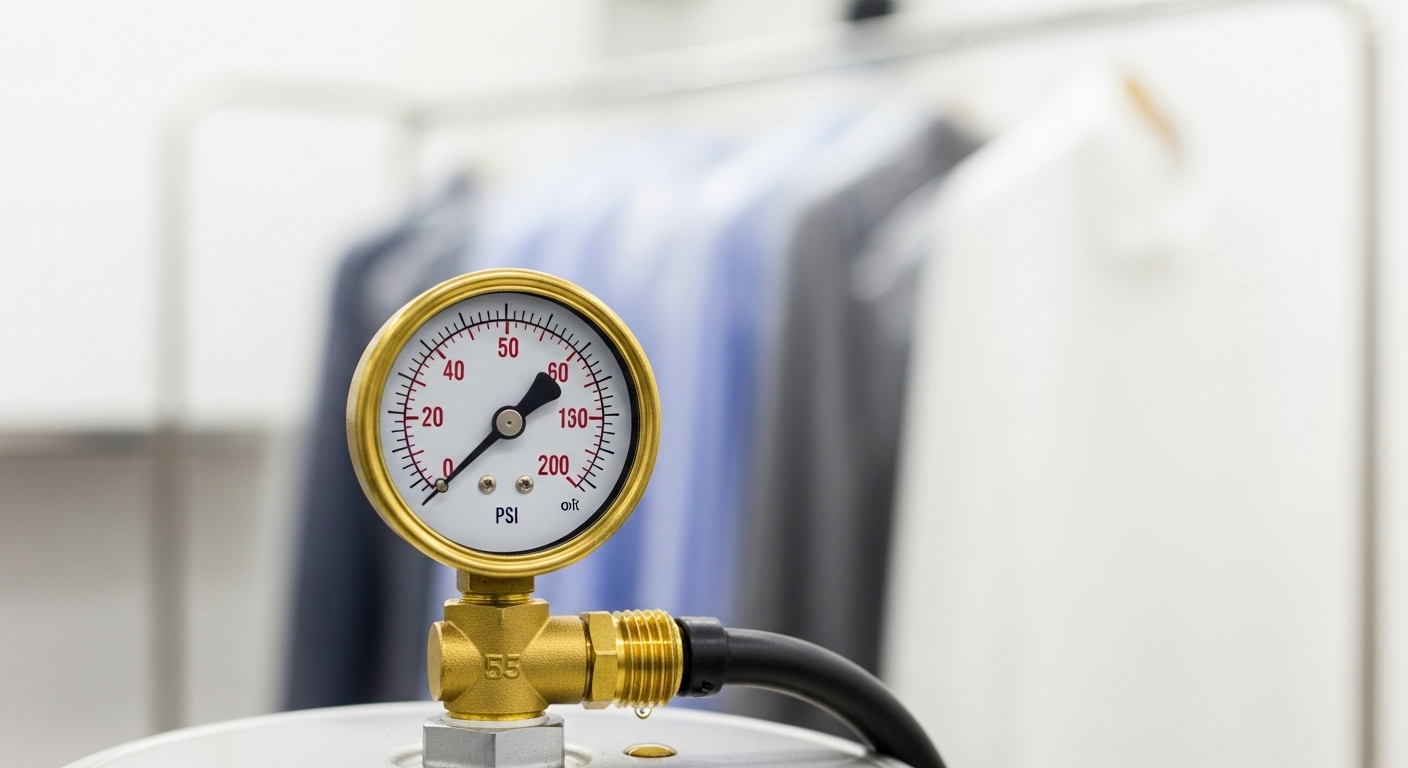
The safety valve is the most important safety device on any boiler. It’s a spring loaded valve designed to automatically pop open and vent steam if the pressure inside the vessel exceeds the Maximum Allowable Working Pressure (MAWP). This action prevents a catastrophic explosion. Safety valves must be properly sized to release steam faster than the boiler can generate it. Operating a boiler without a functional, certified safety valve is illegal and extremely dangerous.
Blowdown Equipment
As water turns to steam, minerals and impurities are left behind, concentrating in the remaining water. To prevent scale buildup and corrosion, this sediment rich water must be periodically drained out in a process called blowdown. The discharged water is extremely hot and under pressure. Blowdown equipment, like a blowdown tank or separator, is used to safely depressurize and cool this water to below 140 °F before it enters a public drain, protecting plumbing and personnel.
Performance and Certification Testing
How do you know a boiler is both safe and effective? It undergoes a series of rigorous tests to verify its integrity and performance. When you see these tests mentioned in commercial steamer specs explained on a data sheet, it’s a sign of quality and compliance.
Strength and Tightness Test
This is a two part process to confirm a boiler is structurally sound and leak free.
Strength Test: The boiler is subjected to high pressure to ensure its welds and materials can withstand forces well beyond normal operation without deforming or failing.
Tightness Test: The boiler is held at its normal operating pressure while every joint, gasket, and fitting is inspected for leaks.
Hydrostatic Test
This is the most common method used for strength testing. The boiler is completely filled with water, and the pressure is raised to 1.5 times its MAWP. Water is used because it is not compressible, making it much safer than using air. If a leak or failure occurs, the water will simply drip out without the explosive force of compressed gas. All ASME certified boilers, like the Pro Line from Hoffman Steam, undergo this critical test at the factory.
Pneumatic Test
A pneumatic test uses compressed air or nitrogen instead of water. It is excellent for finding very small leaks but is inherently more dangerous due to the high amount of stored energy in the compressed gas. For this reason, it is rarely used for strength testing boilers and is more often used at low pressure to check for leaks in piping systems where introducing water is not practical.
Capacity and Efficiency Test
Capacity Test: This test verifies that the boiler can produce the amount of steam it’s rated for (e.g., in pounds of steam per hour). It confirms the heating elements are delivering their full power.
Efficiency Test: This measures how effectively the boiler converts input energy (electricity) into steam energy. Electric boilers are a top performer here, with efficiencies often between 98% and 100%, as almost all the electricity is converted directly into heat.
Commercial Steamer Installation Checklist
[ ] Verify Voltage: Confirm if your building provides 208V or 240V (they are not interchangeable).
[ ] Check Phase: Ensure you have 3-phase power if the unit requires it.
[ ] Circuit Sizing: Confirm the breaker is 25% larger than the rated amp draw (NEC continuous load rule).
[ ] Drainage: Ensure a floor drain is within 5 feet and can handle water up to 140°F.
[ ] Clearance: Maintain 12–18 inches of clearance from combustible walls.
Understanding the commercial steamer specs explained in this guide empowers you to ask the right questions and choose a machine that will be a reliable workhorse for your business for years to come. If you’re looking for a US made boiler with clear specifications and lifetime technical support, be sure to check out the options at Hoffman Steam.
Frequently Asked Questions
1. What are the most important commercial steamer specs to check first?
The most critical specs are the electrical requirements: voltage, phase, and amperage. You must confirm that your facility can provide the correct power before considering anything else. Mismatching the electrical supply can damage the machine and be a serious safety hazard.
2. How do I know how much power (wattage) I need?
Wattage is directly related to steam output. A higher wattage boiler produces more steam. Consider your application. For intermittent use like cleaning jewelry, a 1.5 kW to 3 kW model may be sufficient. For continuous use like garment finishing or hat shaping, you may need a 6 kW to 18 kW model or larger. A knowledgeable supplier can help you convert your steam needs into the right wattage rating (see our commercial steamer PSI guide).
3. Why is ASME certification important for a commercial steamer?
ASME (American Society of Mechanical Engineers) certification means the boiler was built and tested to strict safety standards for pressure vessels. This is a crucial indicator of quality and safety. Many jurisdictions legally require ASME certification for commercial boilers operating above 15 PSI.
4. When looking at commercial steamer specs explained by a manufacturer, what does “clearance to combustibles” mean?
This is a thermal clearance specification. It’s the minimum safe distance you must leave between the hot surfaces of the boiler and any flammable materials like wood walls, drywall, or stored inventory. Ignoring this spec creates a serious fire risk.
5. Can I use a boiler rated for 240V power on a 208V circuit?
While they seem close, they are not the same. Connecting a 240V rated heating element to a 208V supply will result in significantly lower heat output (about 25% less). You will not get the performance you paid for. Always order the boiler with the correct voltage option for your building’s power supply.
6. What is the difference between a hydrostatic test and a pneumatic test?
A hydrostatic test uses water to pressure test the boiler for strength and is very safe. A pneumatic test uses compressed air or gas; it’s good for finding tiny leaks but is far more dangerous if the vessel fails. Hydrostatic testing is the industry standard for verifying boiler safety.


