

Deciding between a commercial steamer vs carpet extractor can be confusing, especially for a specialty business. While both tools use water to clean, they serve fundamentally different purposes. A carpet extractor is a high-moisture machine designed to deep clean durable carpets and fabrics by flushing them with water and sucking out the dirt. A commercial steamer, however, uses high-pressure, low-moisture “dry” steam for precise cleaning, sanitizing, and restoration work on a huge variety of materials—from delicate upholstery and felt hats to hard-surface tools and intricate jewelry.
This guide will clarify how each machine works, explore their ideal applications for trade professionals, and help you choose the right tool to enhance your craft and grow your business.
Feature | Commercial Steamer | Carpet Extractor |
Primary Method | High-heat “Dry” Vapor | High-volume Water Flush |
Moisture Level | Very Low (5-6% water) | Very High (Liquid saturation) |
Drying Time | Minutes to 1 hour | 6 to 24 hours |
Best For | Sanitizing, Detail Work, Delicates | Deep Soil, Synthetic Carpets |
Chemicals? | No (Eco-friendly) | Yes (Detergents required) |
Versatility | High (Jewelry, Hats, Auto, Upholstery) | Low (Floors & Durable fabrics) |
What is a Commercial Steamer?
A commercial steamer is a professional-grade machine that heats water in a boiler to create high-pressure, high-temperature steam. This “dry” steam (containing only about 5-6% water) is released through a specialized nozzle, gun, or brush. The intense heat instantly loosens grime, melts away oils, and sanitizes surfaces on contact, killing 99.9% of germs and bacteria without chemicals.
Unlike consumer-grade gadgets, commercial steamers are built for the demands of daily professional use. For example, boilers from Hoffman Steam generate steam at over 300°F and pressures up to 90 PSI. This power is essential for tasks like blasting polishing compound off jewelry, shaping the crown of a felt hat, or restoring the pile on vintage velvet upholstery. For the full picture of how commercial steam equipment works—boiler types, safety codes, and sizing decisions across applications—see our commercial steam equipment guide. It’s a tool that cleans with thermal energy, offering precision, speed, and chemical-free results.What is a Carpet Extractor?
A carpet extractor, often called a hot water extractor, is a machine designed specifically for deep cleaning heavily soiled, durable carpets and upholstery. It operates by spraying a mixture of hot water and cleaning solution deep into fabric fibers. A powerful, integrated vacuum then immediately extracts the dirty water and loosened soil into a recovery tank.
This process, known as Hot Water Extraction (HWE), is a high-moisture washing and rinsing system. It is highly effective for removing embedded dirt, deep stains, and allergens from resilient materials. While sometimes called “steam cleaners,” most extractors do not use true steam; they use very hot liquid water. Their strength lies in their ability to flush and physically remove heavy soil from the base of carpet or fabric fibers.
The Core Difference: Precision Heat vs. Volume Extraction
The fundamental split in the commercial steamer vs carpet extractor comparison lies in their cleaning mechanisms.
A steamer relies on HEAT. It uses the thermal energy of high-pressure vapor to break down dirt, grease, and contaminants. The minimal moisture evaporates almost instantly, making it a sanitizing tool ideal for surface restoration, shaping, and detailed work.
An extractor relies on EXTRACTION. It uses a mechanical flushing process. It injects a large volume of liquid to wash out dirt and then physically removes the dirty solution with a strong vacuum. Its power is in water flow and suction, designed for deep soil removal in durable materials.
In short, a steamer sanitizes and restores with focused heat, while an extractor deep-cleans with a high-volume wash.
Ideal Use Cases: When to Choose Which Machine
When to Use a Commercial Steamer
A commercial steamer is the workhorse for specialty trades that require precision, sanitization, and versatility without chemicals or long drying times.
Upholstery and Fabric Restoration: Perfect for refreshing delicate fabrics like velvet, releasing wrinkles from drapery, and sanitizing mattresses. It kills dust mites and neutralizes odors with minimal moisture, preventing risk of mold or fabric damage.
Specialty Trade Tasks: This is where commercial steamers excel. Businesses depend on them for specific, critical functions. Jewelers use them to make diamonds and intricate settings sparkle. Hatters use steam to shape felt and straw. Tailors and boutiques use them for finishing garments. Taxidermists use them for shaping and cleaning mounts.
Sanitizing Tools and Workspaces: The high heat is perfect for chemical-free sanitization of tools, workstations, glass display cases, and dental or lab equipment.
Finishing and Detail Work: Ideal for auto detailers cleaning vents and interiors, or for shrink-wrap packaging applications in light manufacturing. A dedicated system like a Hoffman Steam hat shaping bundle provides the exact tools needed for the job.
When to Use a Carpet Extractor
A carpet extractor is a specialized tool for heavy-duty, high-moisture cleaning on durable, heavily soiled surfaces.
Deep Carpet Cleaning: For wall-to-wall, durable synthetic carpeting in a showroom or back office, an extractor is the best tool for removing months of embedded dirt and grit.
Restoring Heavily Soiled Upholstery: When a durable sofa or chair (e.g., commercial-grade seating) is visibly filthy from spills and heavy use, an extractor can flush out the deep-set grime. This is not for delicate or vintage pieces.
Severe Stain and Odor Removal: For tough stains or pet odors that have soaked deep into carpet padding or thick upholstery, the flushing action of an extractor is necessary to wash out the source of the problem.
A Head-to-Head Comparison: Commercial Steamer vs Carpet Extractor
Let’s break down how these two machines stack up for a specialty business.
Cleaning Depth and Residue Removal
For deep, embedded grime in durable materials, the carpet extractor wins. Its flushing action pulls dirt from the base of the fibers. A steamer is a surface-to-mid-depth tool, perfect for restoring appearance and sanitizing, but not for removing years of caked-in dirt.
For a residue-free finish, the steamer wins, hands down. It uses only pure water, leaving zero chemical residue behind. This is critical when working on valuable client items. Extractors rely on detergents, which can leave behind a residue that may attract dirt or affect sensitive fabrics if not rinsed perfectly.
Fabric Compatibility and Safety
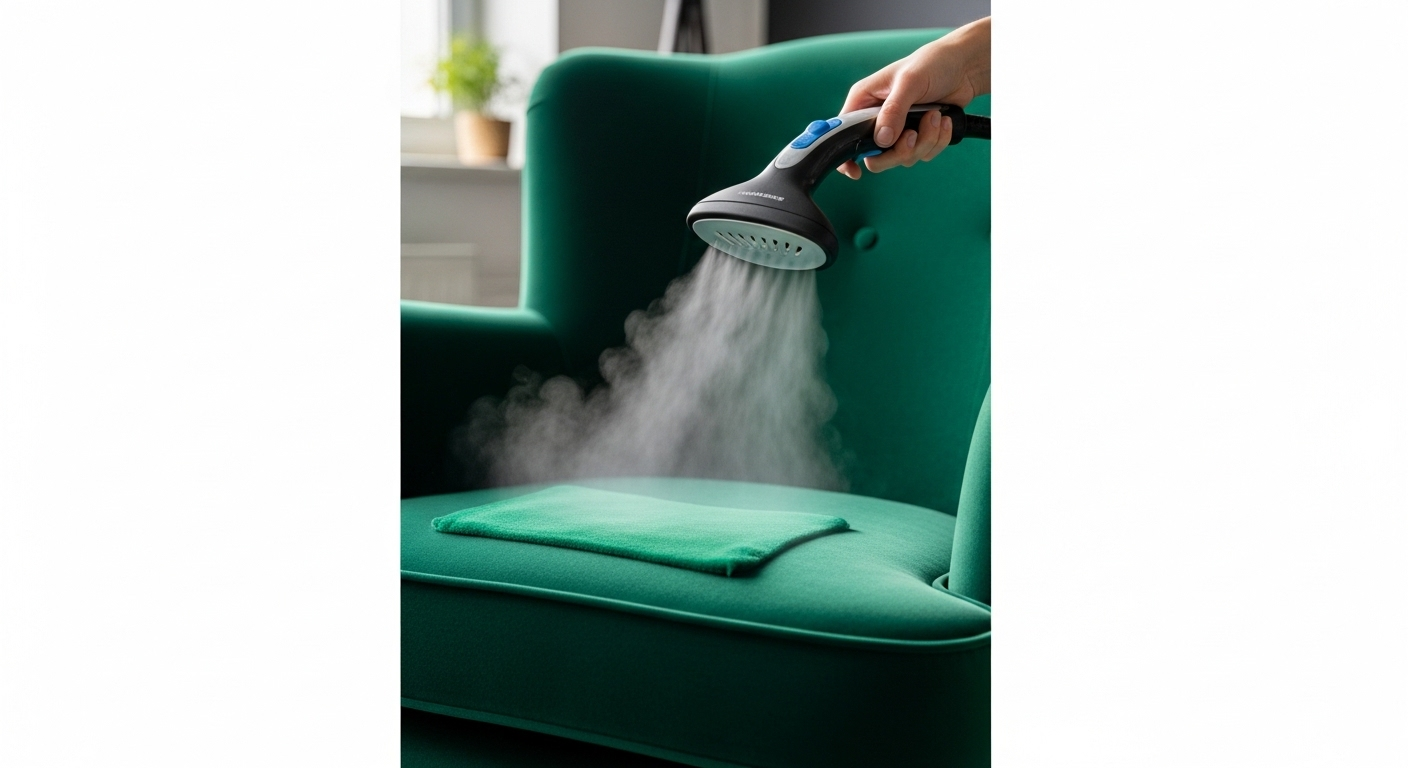
This is a critical distinction for any business working with textiles.
Delicate & Natural Fibers (Velvet, Wool, Silk): These materials are highly sensitive to moisture and agitation. A low-moisture steamer is the far safer choice, gently relaxing fibers and lifting dirt without risk of shrinking, water stains, or damage. An extractor’s high water volume and harsh brushing can ruin these textiles.
Durable Upholstery & Synthetics: Both machines can be used on durable fabrics with a “W” (Water-based) cleaning code. However, the risk of over-wetting and long dry times still makes a steamer a better choice for most upholstery tasks unless it’s exceptionally soiled. Always test on an inconspicuous spot.
Water Usage and Drying Time
This is a major differentiator with significant business implications.
Steamers are ultra-low-moisture systems. Because the water is converted to a gas, they use very little liquid. Surfaces are often dry in minutes, and fabrics can be dry in under an hour.
Carpet Extractors are high-moisture systems. They soak fabrics to clean them. Even with strong suction, materials will remain damp for 6 to 24 hours.
For a business, fast drying time is essential. An upholstery restorer can’t risk mildew forming in a client’s chair, and a boutique needs a steamed garment ready for the sales floor immediately. The steamer’s speed means faster project turnaround and higher productivity.
Sanitation and Odor Control
For chemical-free sanitizing, the steamer is superior. The high temperature of the steam kills over 99.9% of bacteria, viruses, and mold spores on contact. It’s an indispensable tool for ensuring items are hygienic.
An extractor cleans away contaminants but doesn’t sanitize with heat unless it has a high-end heater. For deep-set odors (like smoke or pet smells that have penetrated cushioning), an extractor is needed to flush the source, while a steamer is better for neutralizing surface-level bacteria causing smells.
Chemical vs. Chemical-Free Cleaning
This is a simple choice. Steam cleaning is inherently chemical-free. It provides powerful results with only heat and water. This is a major benefit for businesses that want to avoid chemical damage to valuable materials or offer eco-friendly services.
Carpet extraction almost always requires chemical detergents to break down oils and soil. While green solutions exist, it is not a chemical-free method.
Task Versatility
A steamer is a multi-tool for a workshop. It can be used on upholstery, fabrics, hard surfaces, glass, tools, and intricate parts. With the right attachments, it’s a versatile problem-solver.
An extractor is a single-purpose tool. It excels at deep cleaning durable carpets and upholstery, but it is not suited for detailed work or hard surfaces.
Under the Hood: Key Equipment Specifications
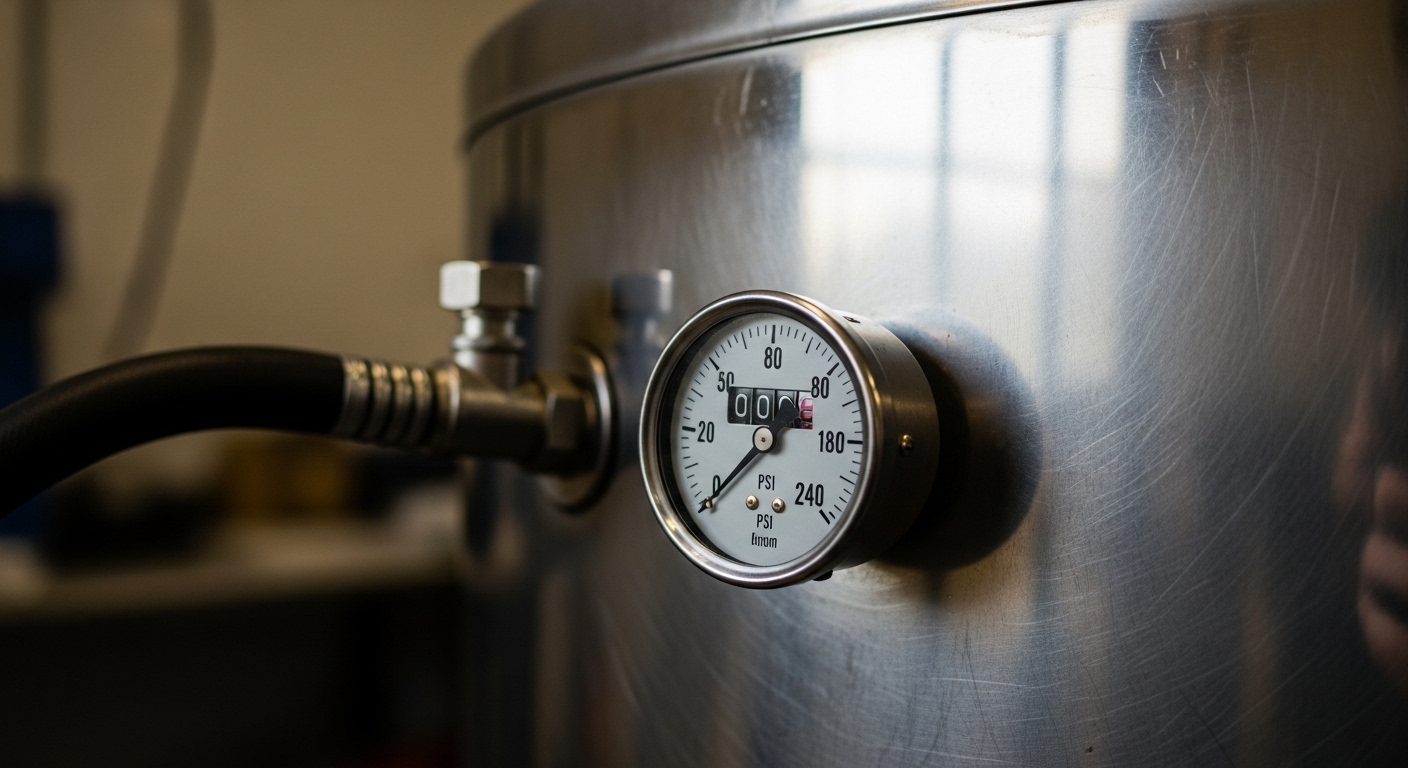
When choosing a professional tool, the specs tell the story.
Technical Benchmarks for Professional Grade
When shopping for equipment, look for these minimum professional standards to ensure ROI:
Commercial Steamer Standards:
Pressure: Minimum 60–90 PSI for consistent vapor flow.
Temperature: Internal boiler temps should reach 300°F+.
Certification: Look for ASME-certified steel boilers for safety.
Carpet Extractor Standards:
Water Lift: 100″ or more for faster drying times.
Pump Pressure: 100 PSI for upholstery; 200+ PSI for carpets.
Heater: Integrated heaters that maintain at least 200°F.
Practical Considerations for Business Owners
Maintenance and Ease of Use
For daily operations, steam cleaners are simpler to use. Fill with water, wait for it to heat, and you’re ready. There’s no chemical mixing. Cleanup is minimal.
Extractors are more cumbersome, involving solution mixing, managing two tanks, and a thorough post-job cleanup to prevent mold in the recovery tank. When choosing a boiler, consider the tradeoffs in our manual-fill vs. auto-fill steam boiler guide.
Energy, Water, and Cost Comparison
Consumption: Steamers use far less water. Energy use is generally focused on the heater, while an extractor powers a pump, vacuum, and often a heater.
Cost: Professional-grade equipment is an investment. A quality commercial steamer or extractor can range from $1,000 to over $8,000. However, a steamer’s long-term operating cost is lower due to the lack of required chemical purchases. If upfront cost is a concern, many suppliers offer financing options.
Making the Right Choice: A Selection Guide
Still debating the commercial steamer vs carpet extractor decision? For a detailed walkthrough of models for different trades, see Which Steamer Is Right for Me? Then ask yourself these key questions:
What is my primary task? Is it deep cleaning heavily soiled, durable materials (extractor), or is it restoring, shaping, sanitizing, and finishing more delicate or intricate items (steamer)?
What materials will I be working with? If you work with velvet, felt, silk, fine garments, or valuable client pieces, a steamer is the safer, more professional choice.
Are fast drying times and chemical-free results critical? If yes, a steamer is the only option. This is crucial for professional turnaround times and protecting sensitive materials.
Which Machine Does Your Business Need?
If your business is a… | You need a Commercial Steamer because… | You need an Extractor because… |
Jewelry Shop / Watchmaker | It blasts grit from settings without chemicals. | N/A (Too much water/pressure). |
Auto Detailer | Perfect for headliners, vents, and leather. | Essential for floor mats and salt stains. |
Hat Maker / Milliner | Essential for shaping felt and straw. | N/A (Will ruin the hat). |
Upholstery Restorer | Safely cleans velvet, silk, and antiques. | Use only for heavily soiled synthetic sofas. |
Medical / Dental Lab | Provides 99.9% chemical-free sanitization. | N/A (Not for hard surfaces). |
The Best of Both Worlds: A Complementary Strategy
For some businesses, particularly in upholstery or auto restoration, the answer to the commercial steamer vs carpet extractor question is “both.” The two tools are not competitors; they are partners.
You can use the commercial steamer as your daily workhorse for the majority of your tasks: sanitizing, restoring pile, releasing wrinkles, and cleaning all but the most heavily soiled fabrics. The carpet extractor can be reserved for the rare, extreme cases of durable, filthy materials that need a complete flush-out before you begin your fine finishing work with the steamer. This dual approach gives you the right tool for any job.
Clearing the Air: Common Misconceptions
Myth: “Steam cleaning” carpets means they dry instantly.
Fact: This term is often misapplied to hot water extraction, which leaves carpets damp for hours. True steam cleaning with a commercial steamer is a very low-moisture process.
Myth: Steam will damage delicate fabrics.
Fact: High-pressure “dry” steam is surprisingly gentle. The minimal moisture and high heat work together to relax and clean fibers without the damage caused by the high water volume and scrubbing of an extractor.
Myth: You need chemicals to properly sanitize.
Fact: The high temperature of steam is a proven sanitizer, killing over 99.9% of germs without any chemical residue.
Myth: One machine can do everything.
Fact: A steamer is incredibly versatile, but it can’t flush out a water-logged carpet cushion. An extractor can’t shape a felt hat or sanitize a jeweler’s workbench. Choose the tool designed for your primary craft.
Frequently Asked Questions about Commercial Steamer vs Carpet Extractor
1. Can I use a commercial steamer to deep clean a client’s heavily soiled sofa?
A commercial steamer is excellent for sanitizing, refreshing, and lifting surface-to-mid-level dirt from upholstery. For a sofa that is extremely and deeply soiled, you might first need an extractor (on durable fabrics only), followed by a steamer for the final restoration and sanitizing finish.
2. Which is better for delicate materials like velvet or felt?
A commercial steamer is the only safe and effective choice. Its low-moisture, high-heat vapor can restore the pile of velvet and shape felt without causing water damage, shrinkage, or discoloration. An extractor would likely ruin these materials.
3. Is there a big difference between a consumer and commercial steamer?
Yes, a massive difference. Commercial steamers, like the ASME certified boilers from Hoffman Steam, are built with heavy-duty steel components for all-day use. They produce significantly higher, more consistent steam pressure (PSI) and temperature, which is essential for professional results and speed.
4. Why is hot water extraction recommended by some carpet manufacturers?
HWE is recommended for deep cleaning wall-to-wall synthetic carpeting because its flushing action is effective at removing abrasive, embedded grit that can wear down fibers over time. This recommendation does not apply to most upholstery, area rugs, or specialty fabrics.
5. As a small business owner, which machine is a better investment?
It depends entirely on your trade. A jeweler, hatter, tailor, or taxidermist will get daily value and unlock new service capabilities with a commercial steamer. An upholstery cleaner will use a steamer for 90% of their jobs. A business that only cleans office carpets would need an extractor. For most specialty SMBs, a versatile, high-quality commercial steamer is the more critical and profitable investment.
6. Is it hard to learn how to use a commercial steamer correctly?
Professional equipment requires learning the proper techniques for safety and best results. However, the basic operation is straightforward. Reputable companies like Hoffman Steam provide lifetime technical support and a video library to help you master your machine for any task.


