

Ever wonder what’s happening inside the machine that pumps out powerful steam for your jewelry store, clothing boutique, or hat shop? Understanding how a commercial steamer works isn’t just for technicians—it’s for any business owner who relies on steam to shape, clean, and finish products perfectly. At its core, your commercial electric steamer is a specialized tool designed to turn ordinary water into a potent, precise force for your craft.
This guide will walk you through how commercial electric steamers work, from the water you put in to the steam that comes out of the nozzle. We’ll break down the essential components, explore how they create steam without any flames or fumes, and look at the different types of steamers that help businesses like yours succeed. If you’re deciding what to buy, start with our Which Steamer Is Right for Me? guide.
Feature | Manual Fill Steamers | Automatic Fill Steamers |
Best For | Intermittent use, jewelry, low-volume boutiques | Continuous use, dry cleaners, upholstery |
Water Source | Manual pour into tank | Direct plumbing line / Pump |
Setup Cost | Lower initial investment | Higher (requires plumbing) |
Maintenance | Frequent manual checks | Automatic sensors; requires descaling |
Inside Your Steamer: The Core Components
To understand how commercial steamers work, you have to start with the basic parts. Unlike complex fuel-burning boilers, an electric steamer has a straightforward design focused on safely and efficiently producing high-quality steam right where you need it.
The Water Tank (Pressure Vessel)
The foundation of any steamer is its water tank, also known as a pressure vessel. This is the sealed, heavy-duty container—often made of stainless steel—that holds the water and steam. It’s built to be incredibly strong to safely handle the steam pressure needed for professional work. The construction of these tanks is often regulated by strict safety standards, such as the ASME (American Society of Mechanical Engineers) code. An ASME-certified tank is a mark of quality and safety, ensuring your steamer is built for reliable, long-term use.
The Heating Element
The magic of an electric steamer happens with the heating element. This is a powerful, rugged metal coil submerged directly in the water tank. When you turn the steamer on, electricity flows through the element, causing it to get extremely hot—much like the element in an electric water heater, but far more powerful. This intense heat is transferred directly to the water, quickly bringing it to a boil to create pressurized steam. This direct heating method is incredibly efficient, converting nearly 100% of the electricity into steam.
Clean Power: How Electric Steamers Create Heat
The biggest advantage of a commercial electric steamer is how it generates heat. Instead of burning fuel like natural gas or oil, it uses electricity. This simple, clean process is a core part of how commercial steamers work so well in retail shops, workrooms, and other indoor spaces.
The All-Electric Advantage
Because there is no flame or combustion, an electric steamer offers several key benefits for small businesses:
Zero Emissions: With no burning fuel, there are no fumes, no smoke, and no carbon monoxide. You don’t need a complex exhaust stack or ventilation system, making installation simple and safe for any indoor workspace.
Quiet Operation: Electric steamers are remarkably quiet. You’ll hear the gentle hiss of steam, but none of the loud noise associated with fuel burners, which is perfect for a customer-facing environment like a boutique or jewelry store.
Compact and Simple: Without the need for burners, fuel lines, or exhaust pipes, electric steamers are much more compact. They are designed for easy setup, typically requiring only a connection to water and an appropriate electrical outlet.
High Efficiency: Since the heating element is in direct contact with the water, very little energy is wasted. This makes electric steamers a highly efficient way to produce steam on demand.
From Water to Workhorse: The Steam and Water Cycle
Making high-quality steam isn’t as simple as just boiling a pot of water. Commercial steamers are designed to manage water carefully to ensure consistent performance and protect the machine from damage.
Filling Your Steamer
Your steamer needs a constant supply of water to work. There are two common ways this is handled:
Manual Fill: On many entry-level and professional models, you fill the tank by hand. This is a simple, cost-effective design perfect for businesses that use steam intermittently throughout the day.
Automatic Fill: For businesses that need continuous steam, an automatic-fill system is ideal. These models are connected directly to a water line and use a pump and sensors to automatically refill the tank as needed, ensuring you never run out of steam during a busy workday.
Why Water Quality Matters
The water you use has a huge impact on your steamer’s health and performance. Tap water contains dissolved minerals like calcium and magnesium, which get left behind when water turns to steam. Over time, these minerals build up into a hard, crusty deposit called “scale.” Scale acts like an insulator on the heating element and tank walls, forcing the steamer to work harder and use more electricity. A thick layer of scale can even cause the heating element to overheat and fail. Using distilled water or a water softening system is the best way to prevent scale, corrosion, and costly repairs. For water-quality specs and maintenance schedules, see our product documents.
Blowdown: Essential Maintenance
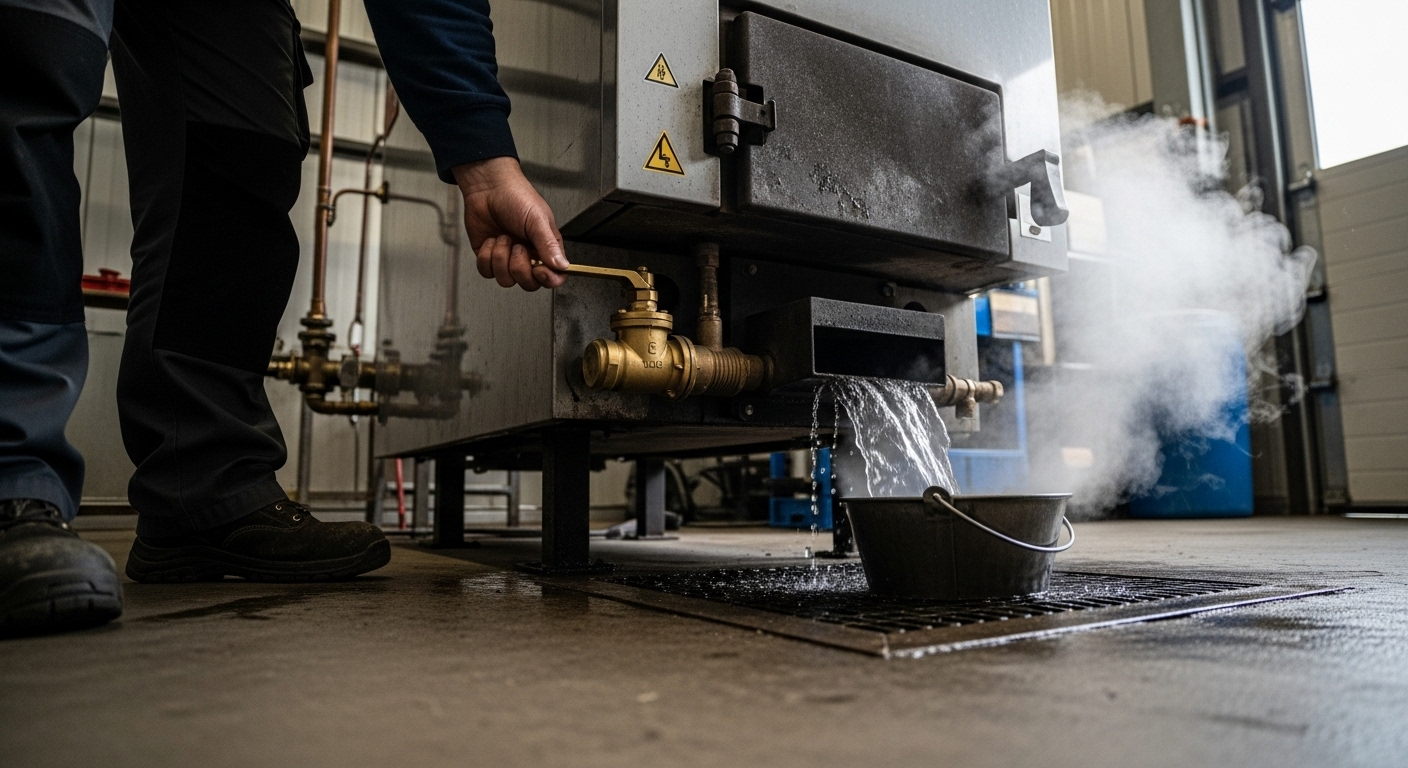
As steam leaves the tank, the minerals in the remaining water become more and more concentrated. A blowdown is the simple process of draining a small amount of this concentrated water from the bottom of the tank. Performing a regular blowdown—daily or weekly, depending on use—flushes out these harmful mineral deposits before they can form hard scale. It’s one of the easiest and most important maintenance steps you can take to keep your steamer running efficiently for years.
Performance and Control: Getting the Most from Your Steamer
A professional steamer gives you precise control over steam pressure and flow. This is managed by a set of simple, reliable controls that ensure safe and effective operation.
The Control Panel
The control panel is the brain of your steamer. It’s where all the sensors, switches, and safety features come together. On a typical commercial steamer, you’ll find:
A Pressure Gauge: This shows you the current steam pressure inside the tank so you know when it’s ready to use.
Power Switches: To turn the main power and the heating element on and off.
Indicator Lights: These lights tell you the steamer’s status at a glance, such as when the power is on, when the heater is active, and when the water level is low.
Safety Controls: Behind the scenes, safety devices like a pressure switch and a low-water cutoff automatically manage the steamer. The pressure switch turns the heating element off when the desired pressure is reached, while the low-water cutoff shuts the machine down completely if the water level drops too low, protecting the heating element from burnout.
Pro-Tip: The “Big Three” Safety Features
Pressure Switch: The thermostat for steam; it cuts the heater when the target PSI is hit.
Safety Relief Valve: A mechanical “fail-safe” that pops open if pressure exceeds the tank’s rating.
Low-Water Cutoff: Prevents the heating element from burning out in an empty tank—the most common cause of steamer death.
Getting Steam to Your Work
Once the steam is created, the steam distribution system delivers it where you need it. This typically consists of a flexible, insulated hose connected to a handheld attachment. A foot pedal or a switch on the attachment itself allows you to release a controlled blast of steam. The attachment you use depends on your trade—it could be a steam iron for a tailor, a nozzle for cleaning jewelry, a steam brush for refreshing upholstery, or a shaping tool for a hat maker. Explore compatible steam irons, wands, and accessories to find the perfect tool for your job.
Choosing the Right Steamer for Your Business
While all commercial electric steamers operate on the same basic principles, they come in different sizes and configurations to suit different needs. Understanding these differences can help you pick the perfect one for your business.
Portable vs. Stationary Steamers
For quick tasks or businesses on the go, a portable “flash” steamer can be a great choice. These compact units heat a small amount of water very quickly to produce steam almost instantly. For all-day use and higher steam pressure, a stationary boiler-based steamer is the professional standard. These units have a larger water tank and produce more consistent, high-pressure steam for demanding jobs.
Pressure and Capacity
The right steam pressure and tank capacity depend on your work. A jewelry shop might need a burst of high-pressure steam (40-60 PSI) to clean gemstones, while a tailor may need a steady flow of lower-pressure steam for pressing delicate fabrics. A larger tank means longer working time between refills, which is a key consideration for high-volume businesses like dry cleaners or upholstery shops.
For small businesses, exploring a reliable and easy-to-use electric model is often the best first step. To make it even easier, consider trade-specific bundles that pair the right steamer with the essential tools for your industry. Check out the full lineup of Hoffman Steam’s boilers to see how these versatile machines can benefit your operations.
Quick Reference: Recommended PSI by Industry
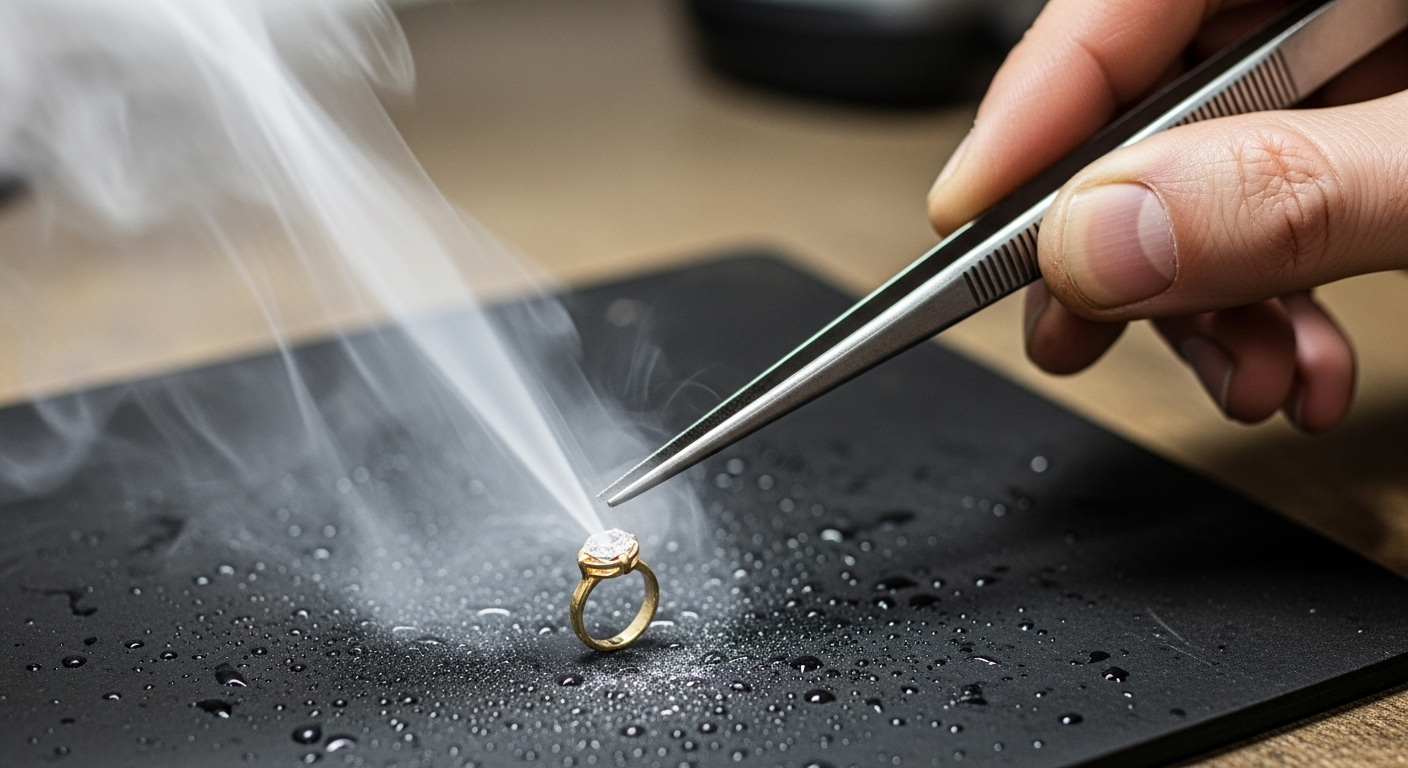
Matching your steamer’s pressure to your specific craft prevents damage and ensures a professional finish.
Jewelry Cleaning: 50–65 PSI (High pressure to blast away polishing compounds).
Garment/Boutique: 10–15 PSI (Gentle, consistent flow for delicate fabrics).
Hat Shaping: 15–20 PSI (Moist steam for felt and straw manipulation).
Auto Detailing/Upholstery: 40–60 PSI (Deep heat for sanitizing and lifting stains).
Frequently Asked Questions About How Commercial Steamers Work
1. What is the difference between a commercial steamer and a boiler?
A commercial steamer is a type of boiler. “Boiler” is the general term for a device that heats water in a closed vessel to create steam. “Commercial steamer” usually refers to a smaller, packaged electric boiler system designed for specific business applications—like shaping hats or pressing garments—rather than heating an entire building.
2. How do electric commercial steamers work without a flame?
Electric steamers use powerful heating elements submerged in the water tank. When electricity passes through these elements, they get extremely hot and transfer that heat directly to the water. This process, called resistance heating, efficiently boils the water to produce high-pressure steam without any fire or fumes.
3. What is the most important maintenance task for a commercial steamer?
Managing your water quality is the most critical task. Using distilled water is best, but if you use tap water, performing a regular “blowdown” to flush out mineral buildup is essential. This single step prevents the formation of scale, which is the number one cause of poor performance, inefficiency, and component failure.
4. Are electric steamers powerful enough for professional use?
Absolutely. Commercial electric steamers are built for demanding professional tasks. Models like the JEL series from Hoffman Steam are engineered to produce high-pressure, high-quality steam that is perfect for everything from steaming delicate wedding gowns to deep-cleaning industrial parts.
5. What does ASME certified mean for a boiler?
ASME stands for the American Society of Mechanical Engineers. An ASME-certified boiler has been designed, built, and tested according to strict safety codes for pressure vessels. This certification is a guarantee of quality construction and safe operation, and it is often required by local regulations for commercial boilers operating above 15 PSI.
6. How much pressure do commercial steamers produce?
It varies by model and application. A portable steamer might produce very low pressure, while a professional boiler for a dry cleaner or auto detailer could operate between 40 and 80 PSI. The key is to match the pressure to the task for the best results.
7. Why is my steamer spitting water instead of producing dry steam?
This is often caused by a high mineral concentration in the water, which can cause it to foam as it boils. It can also happen if the water level is too high. The first step to fix this is to perform a thorough blowdown to flush out the concentrated water. If the problem persists, check that you aren’t overfilling the tank.
8. How can I make my commercial steamer more efficient?
The best ways to maintain peak efficiency are to keep the water tank clean to prevent scale buildup and ensure your steam hose is well-insulated to prevent heat loss. If you notice your steamer is taking longer to heat up or isn’t producing as much pressure as it used to, it’s likely time for descaling. For a deeper dive into optimizing your setup, request a call to discuss a consultation or protection plan that includes professional servicing.


