

Quick Answer: How Long Does a Commercial Steam Boiler Last?
A commercial steam boiler typically lasts 15 to 25 years when it is properly sized, professionally installed, regularly maintained, and operated with good water quality management. High quality electric steam boilers can often reach 20 to 30 years or more because they avoid many combustion related problems found in gas and oil fired systems. Poor maintenance, improper sizing, untreated water, and heavy operating conditions can cut a boiler’s service life by years.
For commercial buyers, the real question is not only “how long does a commercial steam boiler last?” but also “how much value can I get from the boiler over its entire operating life?” A reliable boiler reduces downtime, repair costs, energy waste, and unexpected replacement expenses.
Commercial Steam Boiler Lifespan at a Glance
| Boiler Type | Typical Lifespan | Main Factors Affecting Life |
|---|---|---|
| Electric Steam Boiler | 20 to 30+ years | Water quality, heating element scale, maintenance |
| Gas Fired Steam Boiler | 10 to 20 years | Combustion wear, heat exchanger stress, cleaning |
| Oil Fired Steam Boiler | 15 to 25 years | Soot buildup, corrosion, fuel quality |
| Cast Iron Steam Boiler | 20 to 35+ years | Section cracking, water treatment, thermal cycling |
| Heavy Duty Industrial Boiler | 20 to 30+ years | Operating hours, water treatment, component replacement |
A properly maintained commercial boiler becomes a long term business asset. A neglected system may require major repairs or replacement much sooner.
If you are evaluating equipment right now, Hoffman’s Pro Line boilers are built for demanding commercial applications and backed by lifetime technical support.
What Is the Average Lifespan of a Commercial Steam Boiler?
The average commercial steam boiler lifespan is around 20 years.
Most businesses should plan for a service life between 15 and 25 years, but several variables determine where a specific boiler falls within that range.
For example:
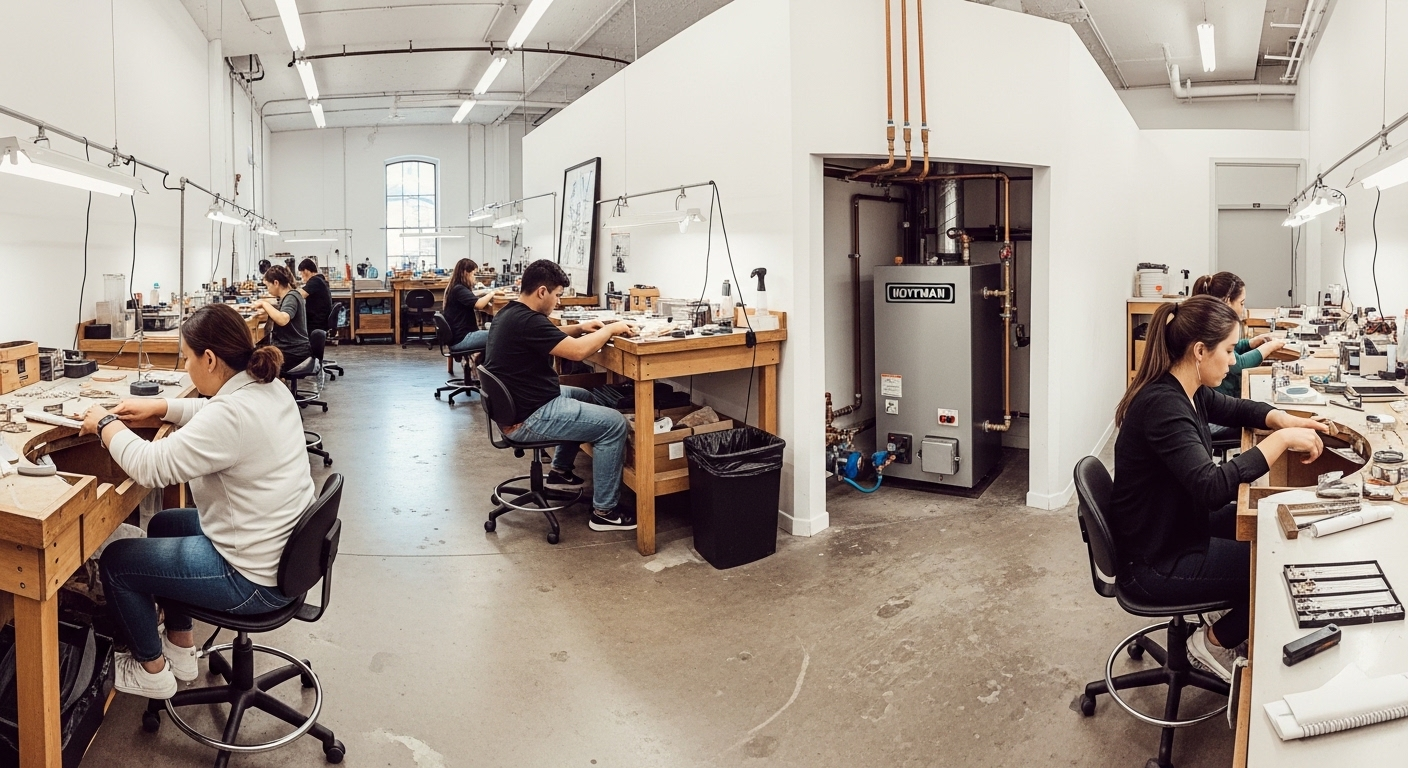
- A small jewelry business using a properly sized electric steam boiler for several hours per day may operate the same unit for decades.
- A high demand commercial facility running continuously may experience more wear and require replacement sooner.
- A boiler with poor water treatment can develop scale and corrosion that significantly shortens its useful life.
Practitioners on Reddit confirm these ranges. One user in r/jewelers reported using two Hoffman steamers over 30 years, with the first lasting 24 years before replacement. That kind of longevity is not unusual for well maintained electric units in moderate duty applications.
The lifespan of a commercial steam boiler is not determined only by the equipment itself. It is the result of the relationship between:
- Boiler quality
- Installation quality
- Operating conditions
- Maintenance practices
- Water treatment
Businesses that manage these five areas typically get the greatest return from their investment.
Commercial vs. Industrial Steam Boiler Lifespan
Commercial and industrial steam boilers may perform similar functions, but they are designed for different operating environments.
Commercial Steam Boiler Lifespan: 15 to 25 Years
Commercial boilers are commonly used in:
- Dry cleaners
- Jewelry stores
- Hotels
- Restaurants
- Textile businesses
- Small manufacturing operations
These systems usually experience intermittent or moderate daily operation. With proper maintenance, many commercial boilers provide 15 to 25 years of reliable service.
A quality electric steam boiler can often exceed this range because it does not experience combustion related damage from flames, soot, or exhaust gases.
Industrial Steam Boiler Lifespan: 20 to 30+ Years
Industrial boilers are designed for demanding applications such as:
- Manufacturing plants
- Processing facilities
- Large commercial operations
- Continuous steam production environments
Because they are built with heavier components and designed for intensive use, industrial boilers may last 20 to 30 years or longer.
Some industrial systems can continue operating beyond 30 years when major components are repaired or replaced, but this depends heavily on maintenance history and operating conditions. For businesses running continuous duty systems, a maintenance checklist helps keep everything on track.
Cast Iron Steam Boiler Lifespan
Cast iron boilers deserve separate attention because they behave differently from steel boilers and remain common in older commercial buildings.
How Long Do Cast Iron Steam Boilers Last?
A cast iron steam boiler can last 20 to 35 years, and some well maintained units have operated for 50 years or more. Cast iron’s natural resistance to corrosion gives these boilers an edge in longevity compared to steel alternatives.
According to the U.S. Department of Energy, proper water treatment and maintenance are the biggest controllable factors in extending any boiler’s operating life, and this is especially true for cast iron systems where internal water chemistry determines whether the metal holds up or slowly deteriorates.
Why Cast Iron Boilers Last So Long
Cast iron sections are thick, heavy, and naturally resist the kind of surface corrosion that eats through thinner steel vessels. The metal tolerates pH fluctuations in boiler water better than carbon steel, and individual sections can sometimes be replaced without scrapping the entire unit.
However, cast iron has a weakness: it does not handle thermal shock well. Rapid temperature changes can crack sections, and once a section cracks, the repair is expensive or impossible depending on the boiler design. This is why proper startup and shutdown procedures matter so much for cast iron equipment.
Common Failure Modes in Cast Iron Boilers
- Section cracking from thermal shock or uneven heating
- Gasket failure between cast iron sections, leading to leaks
- Scale accumulation that creates hot spots and stress
- Low water conditions that overheat exposed sections
Facility managers on HVAC forums frequently note that cast iron boilers “last forever if you treat the water right,” but also warn that a single dry fire event or cold water slug into a hot boiler can destroy sections in minutes.
When to Replace a Cast Iron Boiler
Cast iron boilers often outlive their efficiency. A unit from the 1980s may still function but operate at 70% to 75% efficiency, while modern electric boilers can convert nearly 100% of input energy into steam. The decision to keep or replace a cast iron boiler usually comes down to whether the annual energy waste exceeds the cost of new equipment.
Electric vs. Gas Steam Boiler Lifespan: Which Lasts Longer?
The energy source powering a steam boiler has a major impact on longevity. The biggest difference is whether the system relies on combustion.
Electric boilers generate steam using electric heating elements, while gas and oil boilers rely on burning fuel. Combustion creates additional stress through heat cycling, exhaust gases, soot, and corrosion.
For a detailed comparison of operating costs and maintenance, see this electric vs. gas boiler guide.
Electric Steam Boilers: 20 to 30+ Years
Electric steam boilers are often preferred by businesses looking for reliability and lower maintenance requirements.
Advantages include:
- No combustion chamber
- No burner assembly
- No flue gas corrosion
- Less soot buildup
- Fewer mechanical components
The main maintenance concern with electric boilers is mineral scale buildup on heating elements. Proper water treatment and routine inspections help prevent this issue.
For businesses that depend on consistent steam production, a well maintained commercial electric boiler can provide decades of dependable service.
Gas Steam Boilers: 10 to 20 Years
Gas fired boilers are common in many commercial buildings, but combustion creates additional wear points.
Common lifespan factors include:
- Burner wear
- Heat exchanger stress
- Flue corrosion
- Combustion deposits
- Higher cleaning requirements
With excellent maintenance, gas boilers can last longer, but they generally require more attention than electric systems.
Oil Fired Steam Boilers: 15 to 25 Years
Oil boilers can be durable because they are often built with heavy duty components. However, they typically require more maintenance because combustion produces:
- Soot
- Carbon deposits
- Sulfur related corrosion
Regular cleaning is essential to prevent efficiency loss and premature component failure.
Commercial Steam Boiler Lifespan by Fuel Type
| Boiler Type | Expected Lifespan | Maintenance Demand | Common Failure Risks |
|---|---|---|---|
| Electric | 20 to 30+ years | Low to Moderate | Scale buildup, heating element failure |
| Gas | 10 to 20 years | Moderate to High | Burner issues, heat exchanger damage |
| Oil | 15 to 25 years | High | Soot buildup, corrosion |
| Cast Iron | 20 to 35+ years | Moderate | Section cracking, gasket leaks |
| Industrial Steam Boiler | 20 to 30+ years | High | Wear from continuous operation |
For many commercial buyers, the longer lifespan and simpler maintenance requirements of electric boilers make them attractive when calculating total cost of ownership.
The Biggest Factors That Affect Commercial Steam Boiler Lifespan
A commercial steam boiler’s service life depends on more than the manufacturer’s specifications. The following factors determine whether a boiler reaches the lower or upper end of its expected lifespan.
1. Maintenance Frequency and Quality
Maintenance is the most important factor affecting boiler longevity.
A well maintained boiler can continue operating efficiently for many years, while neglected equipment can experience premature failure. The ASME Boiler and Pressure Vessel Code sets standards for inspection and maintenance that underpin most state regulations.
Regular maintenance helps prevent:
- Scale buildup
- Corrosion
- Safety control failures
- Pressure problems
- Component damage
Preventive maintenance is almost always less expensive than emergency repairs or an unexpected shutdown. A comprehensive boiler maintenance guide can help businesses build consistent routines.
2. Water Quality and Treatment
Water quality is one of the biggest factors affecting steam boiler life.
Untreated water can create two major problems:
Scale Formation
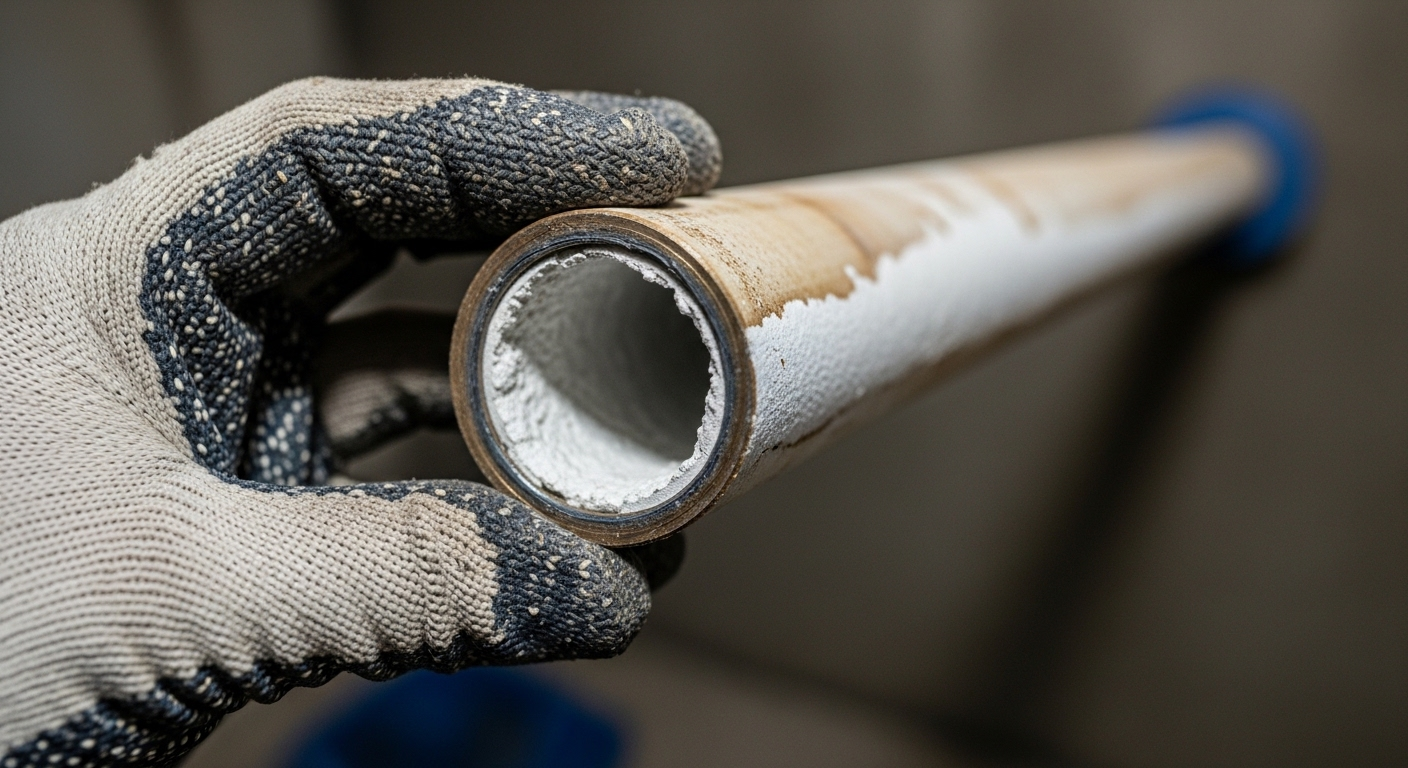
Hard water contains minerals such as calcium and magnesium. When heated, these minerals form deposits on internal components.
Scale buildup:
- Reduces heating efficiency
- Forces the boiler to work harder
- Creates hot spots
- Increases component stress
The Water Quality Association notes that even a thin layer of mineral scale (1/8 inch) can reduce heat transfer efficiency by as much as 25%, forcing the boiler to consume more energy and shortening component life.
Internal Corrosion
Dissolved oxygen and improper water chemistry can slowly damage metal components from inside the boiler.
Over time, corrosion can lead to:
- Leaks
- Cracks
- Reduced pressure performance
- Premature replacement
Proper water treatment helps protect the boiler and extend its operating life. Businesses serious about longevity should follow a water quality standard appropriate for their equipment.
Businesses can learn more about steam system water quality through Hoffman’s Water 101 free ebook.
3. Operating Hours and Usage Patterns
A commercial steam boiler’s workload directly affects how quickly components wear.
A boiler operating several hours per day in a small business environment will typically experience less stress than a system running continuously in a demanding facility.
Three usage patterns can shorten boiler lifespan:
Continuous Heavy Operation
A boiler running near maximum capacity every day experiences more:
- Thermal stress
- Component fatigue
- Pressure cycling
- Heating element wear
Selecting a boiler that matches actual steam demand is critical. An undersized unit may constantly operate at its limit, accelerating wear. For help choosing the right capacity, this boiler sizing guide walks through the process.
Short Cycling
Short cycling occurs when a boiler turns on and off too frequently. This often happens when a boiler is oversized for the application.
Repeated heating and cooling cycles can stress:
- Metal components
- Electrical connections
- Gaskets
- Pressure controls
A properly sized boiler should run efficiently with consistent cycles rather than frequent starts and stops.
Seasonal or Inconsistent Use
Businesses with seasonal demand may experience different challenges. Long periods of inactivity require proper shutdown procedures to prevent corrosion and startup problems.
4. Proper Installation and Boiler Sizing
A commercial steam boiler’s lifespan begins before it is ever turned on. Even a high quality boiler can experience premature problems if installation is incorrect.
Important installation factors include:
- Correct electrical requirements
- Proper piping
- Adequate ventilation
- Correct pressure settings
- Appropriate water connections
- Proper steam capacity
Sizing is especially important. A boiler that is too small may struggle to meet demand, causing excessive operation and wear. The boiler configuration also affects daily workflow. Businesses should consider whether a manual fill vs auto fill setup better matches their operating needs.
A boiler that is too large may short cycle, wasting energy and increasing mechanical stress.
The goal is not simply purchasing the largest boiler available. The goal is selecting the right boiler for the business’s actual steam requirements.
Businesses should also consider operating requirements such as electrical availability. Understanding options like 110V vs 220V steamers can help buyers choose equipment that matches their facility.
Commercial Steam Boiler Maintenance Schedule
A preventive maintenance plan is one of the best ways to maximize boiler lifespan.
While exact requirements depend on the manufacturer and operating environment, most commercial steam boilers benefit from the following schedule.
| Maintenance Task | Recommended Frequency | Why It Matters |
|---|---|---|
| Visual inspection | Daily or weekly | Detect leaks, unusual noises, or operating issues early |
| Check water levels and controls | Weekly | Prevent unsafe operating conditions |
| Inspect electrical connections | Monthly | Reduce failures and overheating |
| Check water quality | Monthly or quarterly | Prevent scale and corrosion |
| Clean components | Quarterly or as needed | Maintain efficiency |
| Test safety controls | Annually | Confirm proper protection systems |
| Professional boiler inspection | Annually | Identify problems before major failure |
Regular inspections and maintenance procedures help identify issues before they become expensive failures. For additional operating guidance, businesses can explore the Hoffman Video Library.
A consistent maintenance program helps businesses avoid emergency downtime and extend the useful life of their equipment.
How Preventive Maintenance Improves Total Cost of Ownership
When businesses evaluate a commercial steam boiler, the purchase price is only one part of the investment.
The true cost includes:
- Initial equipment cost
- Installation
- Energy consumption
- Maintenance
- Repairs
- Downtime
- Replacement costs
This is known as the total cost of ownership (TCO).
A cheaper boiler that requires frequent repairs may cost more over its lifetime than a higher quality system with better reliability.
Example of Lifetime Cost Considerations
| Cost Category | Impact on Boiler Ownership |
|---|---|
| Purchase price | Initial investment |
| Energy efficiency | Monthly operating expenses |
| Maintenance requirements | Long term service costs |
| Downtime | Lost business productivity |
| Replacement timing | Future capital expense |
For businesses that rely on steam every day, reliability is often just as important as the initial purchase price.
A boiler that lasts 25 years with predictable maintenance can provide better value than a cheaper system that requires replacement after 10 years.
If replacement is the right decision for your business, Hoffman also offers financing options to help manage the equipment investment.
Repair vs. Replace: How to Decide When an Aging Steam Boiler Has Had Enough
One of the hardest decisions commercial boiler owners face is knowing when to stop repairing and start replacing. There is no single answer, but there are clear financial and operational thresholds that make the call easier.
The 50% Rule
A widely used rule of thumb in commercial HVAC and boiler management: if a single repair costs more than 50% of the replacement cost, replace the boiler. If annual cumulative repair costs exceed 30% to 40% of replacement cost for two consecutive years, that also tips the scale toward replacement.
Calculating the Break Even Point
To make this concrete, compare these numbers side by side:
| Factor | Keep and Repair | Replace with New |
|---|---|---|
| Estimated remaining life | 2 to 5 years | 20 to 25 years |
| Annual repair costs | Increasing, unpredictable | Minimal (warranty period) |
| Energy efficiency | Declining (often 70 to 80%) | Near 99% for electric boilers |
| Downtime risk | High, parts may be scarce | Low, full warranty coverage |
| Annual energy cost difference | Baseline | 15 to 30% savings typical |
When the math favors replacement, delaying the decision only adds cost. Every year of running an inefficient boiler at 75% efficiency means 25% of energy input is wasted, which adds up to thousands of dollars depending on usage.
Beyond the Numbers: Operational Risk
Financial analysis tells part of the story. The other part is risk. An aging boiler that fails during peak season (holiday retail, wedding season for garment shops, tax season for jewelry stores) can cause revenue losses that dwarf the cost of a new unit.
Businesses in regulated environments face additional pressure. If an old boiler cannot pass its annual inspection, it must be shut down regardless of whether it still “works.”
When Repair Still Makes Sense
Not every old boiler needs replacing. Repair is the right call when:
- The boiler is under 15 years old with a solid maintenance history
- The failure involves a single, replaceable component (heating element, gasket, control board)
- Parts are readily available from the manufacturer
- The unit still meets steam demand without excessive cycling
- A professional inspection confirms the pressure vessel is structurally sound
The key distinction: repairing a component is different from propping up a system. If you are replacing a different part every quarter, the boiler is telling you something.
A Practical Decision Framework
Ask these five questions:
- Has the boiler required more than two major repairs in the last 12 months?
- Are annual repair costs approaching 30% or more of what a new boiler would cost?
- Has energy consumption increased noticeably without a change in usage?
- Are replacement parts becoming difficult to source or back ordered?
- Has a professional inspector flagged structural concerns?
If three or more answers are yes, replacement will almost certainly save money over the next five years compared to continued repairs.
Advanced Strategies to Extend Commercial Boiler Lifespan
Modular Boiler Systems and Load Sharing
Some commercial operations benefit from using multiple smaller boilers instead of one oversized system.
A modular setup can provide:
- Better efficiency during changing demand
- Reduced strain on individual units
- Backup capacity during maintenance
- Longer equipment life
Lead lag rotation allows multiple boilers to share operating hours, preventing one unit from experiencing all the wear.
Smart Monitoring and Predictive Maintenance
Modern steam systems increasingly use monitoring technology to identify problems before failures occur.
Monitoring systems can track:
- Pressure changes
- Temperature variations
- Operating cycles
- Water levels
- Steam output
Early detection allows businesses to address small problems before they become expensive repairs. A performance logging system can supplement automated monitoring with human observation.
For commercial buyers planning a 20 year equipment investment, choosing equipment with strong diagnostics and manufacturer support can improve long term reliability.
Signs Your Commercial Steam Boiler Needs Replacement
A commercial steam boiler does not usually fail overnight. Most systems provide warning signs before replacement becomes necessary. Recognizing these signs allows businesses to plan instead of dealing with an unexpected shutdown.
1. Frequent Repairs and Rising Maintenance Costs
If repairs are becoming more frequent, the boiler may be approaching the end of its economical lifespan.
Common warning signs include:
- Repeated component failures
- Increasing service calls
- Growing repair invoices
- Difficulty finding replacement parts
A boiler may still operate, but continuing to repair an aging system may no longer make financial sense. (See the repair vs. replace framework above for specific thresholds.)
2. Declining Efficiency and Higher Operating Costs
Older boilers often become less efficient over time.
Warning signs include:
- Higher energy bills
- Longer warm up times
- Reduced steam output
- Longer recovery periods
A newer boiler may provide better efficiency and reliability while reducing ongoing operating costs.
3. Leaks, Corrosion, or Visible Damage
Physical damage is one of the clearest replacement indicators.
Look for:
- Water leaks
- Rust
- Corroded fittings
- Damaged connections
- Structural deterioration
Small leaks can become major failures if ignored. A troubleshooting guide for noise and leaks can help determine the severity.
4. Unusual Noises
Banging, knocking, or rumbling sounds can indicate internal problems.
Possible causes include:
- Scale buildup
- Water circulation problems
- Component damage
- Pressure issues
These symptoms should be inspected before they lead to a larger failure.
5. Boiler Age
Age alone does not mean a boiler must be replaced, but it is an important planning factor.
A boiler approaching:
- 15 years: Begin monitoring performance closely
- 20 years: Evaluate repair costs and efficiency
- 25+ years: Consider replacement planning
Replacing equipment before a failure allows businesses to choose the right model without emergency pressure.
When Should You Replace a Commercial Steam Boiler?
The best replacement time is usually before the boiler completely fails. A practical replacement decision should consider:
Repair Costs
If annual repairs approach a significant percentage of replacement cost, investing in new equipment may provide better value.
Downtime Risk
For businesses where steam is essential, unexpected failure can interrupt operations and affect revenue.
Efficiency Improvements
Modern boilers may offer improved performance, controls, and lower operating costs compared with older equipment. According to the Department of Energy’s guide to steam system efficiency, upgrading aging equipment is one of the most impactful steps a facility can take.
Parts Availability
Older models may become difficult or expensive to repair as components become unavailable.
Commercial Steam Boiler Warranty and Manufacturer Support
A commercial steam boiler is a long term investment. When choosing equipment, buyers should evaluate not only the boiler itself but also the manufacturer’s support after installation.
A strong warranty and reliable technical support can significantly reduce ownership risk over the boiler’s operating life.
What to Look for in a Commercial Boiler Warranty
Warranty coverage varies by manufacturer, but commercial buyers should pay attention to:
Component Coverage
Understand which parts are protected, such as:
- Boiler tank or pressure vessel
- Heating elements
- Electrical controls
- Replacement components
Different components may have different warranty periods.
Technical Support Availability
A manufacturer that provides knowledgeable support can help businesses:
- Troubleshoot operating issues
- Maintain performance
- Select replacement parts
- Avoid unnecessary downtime
Replacement Parts Availability
A boiler may last decades, so long term parts availability matters. A manufacturer with continued product support helps protect the value of the original investment. Hoffman maintains a spare parts list specifically for this purpose.
Why Manufacturer Experience Matters for Boiler Lifespan
The expected lifespan of a commercial steam boiler depends partly on the quality of the equipment and the company behind it.
Businesses should consider:
- Manufacturing experience
- Product reliability history
- Availability of technical assistance
- Service documentation
- Replacement part support
A well built boiler combined with proper maintenance gives commercial buyers the best chance of achieving the upper end of expected service life.
For businesses looking for reliable steam equipment, Hoffman provides USA made boilers designed for demanding professional applications, supported by technical expertise throughout the ownership lifecycle.
Commercial Steam Boiler Replacement Checklist
Before replacing an aging boiler, commercial buyers should evaluate:
Current Boiler Performance
Ask:
- How old is the existing boiler?
- How often does it require repairs?
- Has efficiency declined?
- Is it still meeting steam demand?
Business Requirements
Consider:
- Daily steam usage
- Peak demand periods
- Available electrical service
- Space limitations
- Future growth plans
Ownership Costs
Compare:
- Purchase price
- Installation costs
- Energy use
- Maintenance requirements
- Expected service life
The right boiler is not necessarily the cheapest option upfront. It is the system that delivers dependable performance at the lowest total cost over its operating life.
How to Maximize the Lifespan of Your Commercial Steam Boiler
To get the longest possible service life from a commercial steam boiler:
- Choose the correct boiler size for your application.
- Follow a regular preventive maintenance schedule.
- Maintain proper water quality and treatment.
- Inspect safety controls annually.
- Address small issues before they become major failures.
- Keep operating conditions within manufacturer specifications.
- Work with an experienced boiler supplier.
A proactive approach can help a commercial steam boiler reach or exceed its expected 20 year service life.
Frequently Asked Questions About Commercial Steam Boiler Lifespan
How long does a commercial steam boiler last?
A commercial steam boiler typically lasts 15 to 25 years with proper maintenance. High quality electric steam boilers may last 20 to 30 years or longer when properly installed, maintained, and operated under suitable conditions.
The actual lifespan depends on boiler type, water quality, usage patterns, installation quality, and maintenance practices.
How long does a cast iron steam boiler last?
Cast iron steam boilers typically last 20 to 35 years, with some units operating well beyond that range. Their thick cast iron sections resist corrosion better than steel, but they are vulnerable to cracking from thermal shock. Proper startup procedures, consistent water treatment, and avoiding rapid temperature changes are the keys to reaching the upper end of that range.
Can a commercial steam boiler last 30 years?
Yes, some commercial steam boilers can last 30 years or more. Reaching this lifespan usually requires:
- High quality equipment
- Proper installation
- Regular maintenance
- Good water treatment
- Moderate operating conditions
However, 30 years is above the typical service range and should not be expected without excellent care.
Do electric steam boilers last longer than gas boilers?
Electric steam boilers often have a longer lifespan than gas fired boilers because they avoid combustion related wear.
Electric systems do not experience:
- Burner deterioration
- Flue gas corrosion
- Soot buildup
- Combustion chamber stress
However, electric boilers still require proper water treatment and maintenance to prevent scale buildup.
What causes commercial steam boilers to fail early?
The most common causes of premature boiler failure include:
- Poor water quality
- Scale buildup
- Internal corrosion
- Incorrect sizing
- Lack of maintenance
- Excessive operating stress
Regular inspections and preventive maintenance can greatly reduce these risks.
How often should a commercial steam boiler be serviced?
Commercial steam boilers should receive regular maintenance throughout the year, with a professional inspection typically performed at least annually.
Maintenance frequency may increase for:
- High use facilities
- Hard water environments
- Continuous operation
- Older equipment
When should I repair vs. replace my commercial steam boiler?
Apply the 50% rule: if a single repair costs more than half of what a replacement boiler would cost, replace it. If cumulative annual repairs exceed 30% to 40% of replacement cost for two years running, replacement is the better financial decision. Also factor in energy waste from declining efficiency, parts availability, and the risk of unplanned downtime.
Is it cheaper to repair or replace an old commercial boiler?
It depends on the boiler’s age, repair history, efficiency, and remaining useful life.
Repair may make sense for a newer boiler with a minor issue. Replacement may provide better value when:
- Repairs become frequent
- Parts become difficult to find
- Energy costs increase
- Reliability becomes a concern
A lifecycle cost analysis can help determine the better financial decision.
Talk to Hoffman About the Right Commercial Steam Boiler
Choosing the right commercial steam boiler is about more than finding equipment that produces steam. It is about selecting a system that delivers reliable performance, manageable maintenance costs, and long term value.
The right boiler depends on your business’s:
- Steam requirements
- Operating schedule
- Available utilities
- Maintenance capabilities
- Long term goals
Hoffman can help you evaluate your application and select a commercial steam boiler designed for dependable service.
Browse Hoffman’s full steamer lineup and find equipment built to last for your business.


