

Steam cleaning is a fantastic way to bring back the brilliant sparkle to jewelry. For an overview of when and how to use it in the shop, see our jewelry steam cleaning guide. The high pressure steam blasts away grime from the tiniest crevices, delivering a professional finish in seconds. But with great power comes the need for great caution. Professional jewelry steamers are not toys; they use pressurized steam at extreme temperatures.
Quick Summary: Jewelry Steam Safety Rules
To safely steam jewelry, follow these five golden rules:
Check the Gemstone: Never steam pearls, opals, emeralds, or porous stones.
Wear PPE: Always use safety goggles and heat-resistant gloves.
Use Tools: Hold jewelry with rubber-coated tweezers, never your fingers.
Use Distilled Water: Prevents mineral buildup and dangerous nozzle clogs.
Respect Pressure: Never open the safety cap while the unit is hot or pressurized.
Mishandling one can lead to serious burns or even damage to the precious items you’re trying to clean. This is why a solid jewelry steam safety checklist is not just a good idea, it’s essential for any professional jeweler or small business owner. By understanding and following a few key principles, you can use your equipment confidently, protecting yourself, your team, and your valuable inventory. Let’s walk through the complete checklist for safe and effective steaming.
Part 1: Protecting Yourself with Proper Gear
Before you even turn the machine on, your personal safety comes first. High pressure steam is unforgiving. These first few items on our jewelry steam safety checklist are non negotiable.
Wear Protective Eyewear
Always wear safety goggles or glasses. A steam jet is powerful enough to propel hot water droplets or dislodged dirt at high speed. Seasoned jewelers have even seen stones get blown out of their settings by a powerful burst. With steam temperatures exceeding 300°F (149°C), protective eyewear is the simple step that prevents a particle or a hot splash from causing a life changing eye injury.
Wear Heat Resistant Gloves
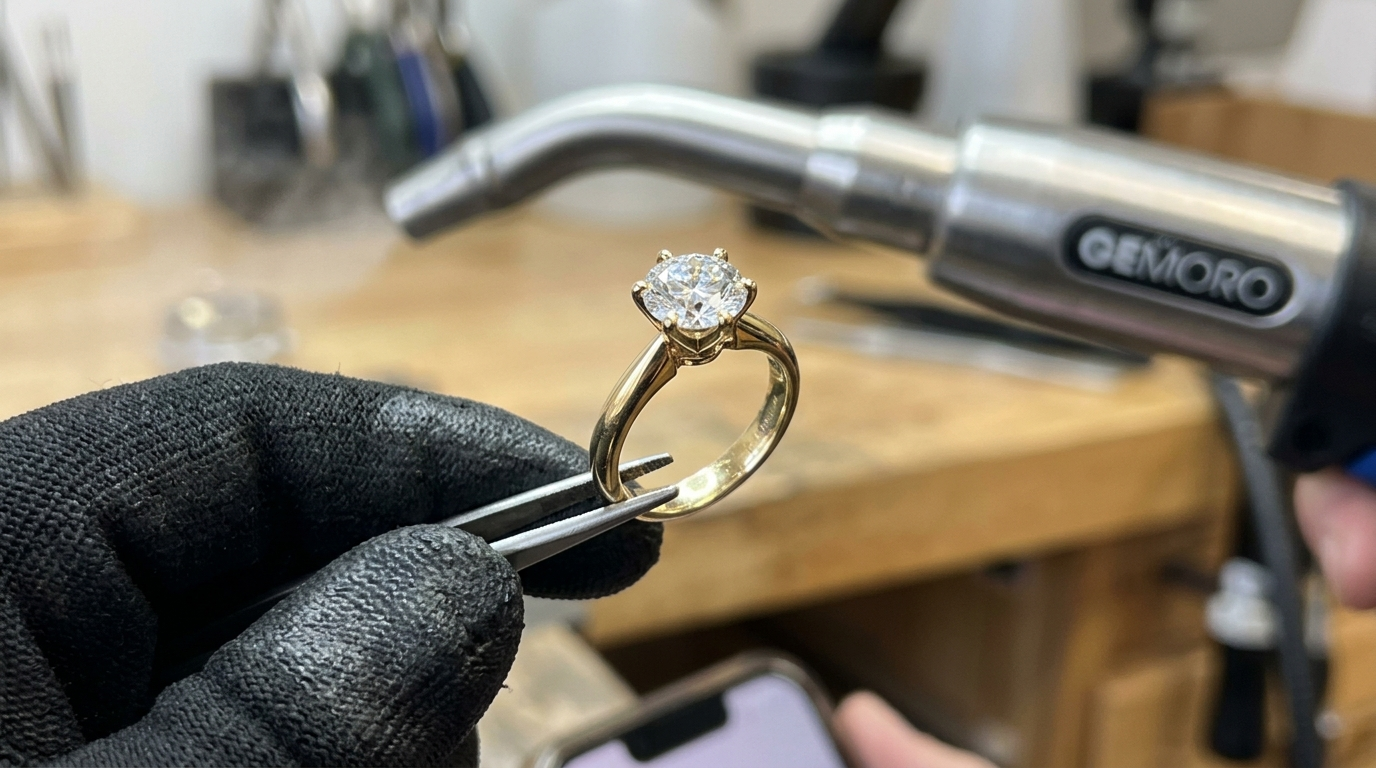
Steam gloves, or thick, insulated gloves, are your best friends. They shield your hands from accidental contact with scalding steam, which can cause serious burns in seconds. Metal jewelry also heats up instantly under the steam jet, and these gloves allow you to handle hot pieces safely. They also provide a better grip on slippery items, preventing a precious ring from being dropped or lost.
Use Tweezers or Clamps to Hold Jewelry
Never hold jewelry with your bare fingers under the steam jet. Use specialized jewelry holding tweezers or clamps to maintain a safe distance. Many professional tweezers have rubber coated tips to grip items firmly without scratching soft metals or polished gems. Using a proper holder keeps your hands away from the blast and prevents the powerful steam from flinging the piece out of your grasp.
Part 2: Protecting the Jewelry Before You Steam
Not all jewelry can handle the heat. The next part of our jewelry steam safety checklist involves knowing what to clean and, more importantly, what to avoid. A quick inspection can prevent a catastrophe.
Jewelry Steam Compatibility Chart
Material Type | Safe to Steam? | Reason/Risk |
Diamonds & Sapphires | YES | Highly durable and heat resistant. |
Gold & Platinum | YES | Solid metals handle high pressure well. |
Pearls & Opals | NO | High heat causes cracking and “crazing.” |
Emeralds | NO | Steam removes essential oils/fillers. |
Turquoise & Lapis | NO | Porous stones can discolor or crack. |
Costume Jewelry | NO | Heat dissolves glues and peels plating. |
Inspect for Loose Stones or Worn Prongs
Before steaming any piece, give it a thorough pre steaming inspection. Look carefully for loose gemstones, damaged prongs, or any other signs of weakness. The high pressure of a steam cleaner can easily turn a slightly loose stone into a lost stone. This simple check, ideally under good lighting or magnification, ensures that the cleaning process won’t turn a small repair job into a major problem.
Avoid Steaming Porous or Treated Stones
Certain gemstones are too delicate for steam. Porous gems like turquoise, opal, lapis lazuli, and coral can absorb moisture, crack, or discolor under intense heat. Additionally, fracture filled stones, most notably emeralds, should never be steamed. The Gemological Institute of America notes that roughly 90% of emeralds are treated with oil or resin to improve clarity. Hot steam can cause these fillers to “sweat out,” instantly ruining the gem’s appearance.
Keep Pearls and Opals Far Away
Pearls and opals are in a class of their own when it comes to sensitivity. Both contain water and are extremely vulnerable to heat. Steam can cause pearls to crack, discolor, or peel. Opals, known for their fiery color, can craze (develop a network of fine cracks) when exposed to sudden temperature changes. The safest way to clean these gems is with a soft cloth and mild, soapy water.
Say No to Steaming Glued Components
Any jewelry that uses glue or adhesives should never see the inside of a steamer. This includes much costume jewelry, pieces with foil back crystals, and some fashion items where stones are glued rather than set. The high heat will soften or dissolve the adhesive, causing components to fall right off. The same goes for plated jewelry, as the pressurized steam can cause the thin metal layer to peel or flake.
Understanding Steam Pressure (PSI)
Professional jewelry steamers typically operate between 60 and 80 PSI (pounds per square inch). At these levels, the steam temperature often exceeds 300°F (149°C). Understanding this helps explain why thermal shock—the rapid expansion of a gemstone when hit by heat—is the primary cause of stone breakage. Always allow pieces to reach room temperature naturally after steaming rather than dipping them in cold water.
Part 3: Mastering Your Machine’s Operation
How you use the steamer is just as important as what you clean with it. Proper technique ensures a perfect clean without damaging the jewelry or endangering yourself. This section of the jewelry steam safety checklist covers the hands on skills.
Select the Appropriate Steam Pressure
If your steamer has adjustable pressure settings, use them wisely. Durable pieces with hard stones like diamonds and sapphires can handle higher pressure (many professional units reach 80 to 100 PSI). If you need an adjustable, bench‑friendly unit, consider the Hoffman JEL3. For more delicate items, like an antique filigree ring or jewelry with softer stones, dial the pressure down. Using too much force can stress weak settings and potentially dislodge small pavé stones.
Maintain a Safe Nozzle Distance
Hold the jewelry approximately one inch beneath the Steam Nozzle. This is the sweet spot where the steam is most focused and effective. Holding it too close risks scratching the piece with the metal nozzle, while holding it too far away causes the steam to lose its heat and power, resulting in a poor clean.
Use Short Bursts of Steam
Resist the urge to blast a piece continuously. Instead, use short, controlled short, one or two second bursts. A quick squirt is usually all that’s needed to dislodge grime. This method prevents overheating the jewelry, which can cause thermal shock and stress metals or gems. Rotate the piece and apply steam from different angles for a thorough, safe cleaning. For retail counters or mall kiosks where pressurized boilers aren’t permitted, a portable, non‑pressurized option like the GEM‑III can be a compliant alternative.
Purge Condensation from the Hose First
When a steamer first heats up, condensation (cool water) collects in the hose. Always purge this water by aiming the nozzle into a sink or towel and firing a short blast. This ensures that only hot, dry steam hits your jewelry, providing maximum cleaning power and preventing a sudden, messy spit of hot water.
Keep the Nozzle Away from Skin and Flammables
This may seem obvious, but it is a critical point on any jewelry steam safety checklist. Never, ever point the steam nozzle at your skin, anyone else, or flammable materials. The steam is hot enough to cause severe burns instantly. Always be aware of where the nozzle is pointing and maintain a clear, uncluttered workspace free of solvents, aerosols, or other combustibles.
Part 4: Boiler Care and Long Term Safety
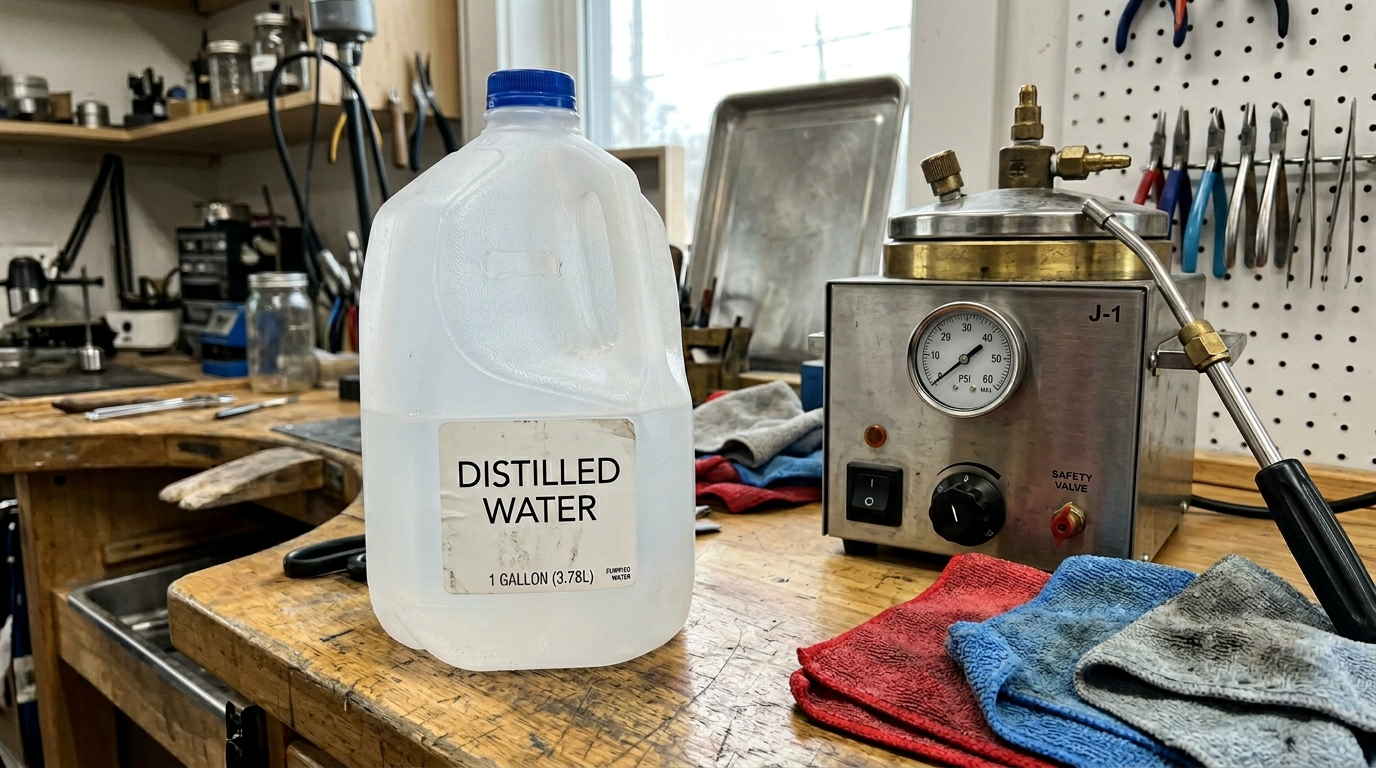
The boiler is the heart of your steamer, and proper maintenance is crucial for its longevity and safe operation. Following this final part of the jewelry steam safety checklist will keep your machine running smoothly for years.
Never Open the Pressure Safety Cap Under Pressure
The boiler cap is a safety device designed to lock when the unit is pressurized. Attempting to open it while the machine is hot will release a dangerous eruption of scalding steam and water. Always turn the machine off, let it cool completely, and ensure the pressure gauge reads zero before you even think about opening the cap to refill it.
Allow the Boiler to Cool Down Before Refilling
Patience is a virtue and a safety requirement. Pouring cool water into a hot, pressurized boiler can cause the water to flash instantly into steam, creating a violent eruption. Always allow the machine to cool down for 30 minutes after shutting it off before you attempt to add more water.
Don’t Overfill the Boiler
Your steamer needs empty space, or headspace, in the boiler to generate dry, effective steam. When water boils, it expands in volume by about 1,600 times. Overfilling the tank past the manufacturer’s max fill line can lead to sputtering, wet steam, and dangerous pressure spikes. Follow the instructions to ensure efficient and safe operation.
Use Distilled or Purified Water
Always use distilled water in your steamer. Tap water contains minerals that build up inside the boiler, creating limescale. This scale can clog the nozzle, reduce heating efficiency, and eventually cause the machine to fail. Using distilled water keeps the internal components clean and can even prevent mineral spots from being deposited on your freshly cleaned jewelry.
Empty the Water and Cool the Unit After Use
At the end of the day, it’s good practice to empty any remaining water from the boiler. This helps flush out any sediment and prevents stagnant water from causing corrosion. Once emptied, allow the unit to cool and dry completely, perhaps by leaving the cap off for a bit. This simple routine will significantly extend the life of your equipment.
Regularly Descale and Clean the Boiler
Even with distilled water, some buildup can occur over time. Descaling your boiler every few months (or as recommended in the product manuals and spec sheets) is vital. This process, which usually involves a special descaling solution, removes any mineral deposits to keep your steamer running at peak performance and prevent nozzle clogs. A clean boiler is a safe and efficient boiler.
Verify Your Equipment Has UL or CSA Certification
When purchasing a steamer, look for safety certifications from organizations like Underwriters Laboratories (UL) or the Canadian Standards Association (CSA). This mark means the product has been rigorously tested to meet strict safety standards for electrical wiring, pressure containment, and thermal protection. Investing in a certified machine, like the UL‑certified, ASME‑compliant ELG4 from Hoffman Steam, provides critical peace of mind that your equipment is built for safety and reliability.
Avoid Running the Boiler Dry
Most modern steamers have a low water safety reset that automatically shuts off the heating element if the water level gets too low. This prevents the unit from overheating. If your machine suddenly shuts down, it likely triggered this safety feature. Let it cool completely, refill it with water, and then press the manual reset button (consult your manual for its location). While this feature is a great fail safe, it’s best to always monitor your water level to avoid a dry run altogether.
A Safer, Smarter Way to Sparkle
Mastering this jewelry steam safety checklist transforms you from a simple user into a confident professional. From personal protective equipment to boiler maintenance, each step is designed to ensure a safe, efficient, and flawless cleaning process.
When you’re ready to invest in equipment that’s built with these safety principles in mind, consider a brand that prioritizes quality and support. Hoffman Steam manufactures a range of UL certified, ASME compliant steamers made in the USA. With features built for professional jewelers and programs like their Workhorse Protection Plans, you’re not just buying a machine; you’re investing in uptime and safety.
By adhering to this jewelry steam safety checklist, you ensure every piece you clean leaves looking its absolute best, without any mishaps. Happy steaming!
Professional Steamer Maintenance Schedule
Daily: Drain the boiler at the end of the day to prevent sediment buildup.
Weekly: Inspect the steam nozzle and hose for any signs of wear or cracks.
Monthly: Descale the unit (even if using distilled water) to maintain PSI efficiency.
Annually: Replace the safety cap gasket and have a certified technician check the pressure relief valve.
Frequently Asked Questions About Jewelry Steam Safety
What is the most important rule on a jewelry steam safety checklist?
While all points are important, the most critical rule is personal safety. Never expose your skin to the steam jet, always wear protective eyewear, and never attempt to open a pressurized boiler. These actions prevent the most severe and common injuries.
Can I steam clean all my gold and diamond jewelry?
Generally, yes. Gold, platinum, diamonds, sapphires, and rubies are very durable and hold up well to steam cleaning. However, always perform a pre steaming inspection first. If a diamond is in a fragile, old, or worn setting, the steam’s pressure could potentially loosen it.
What’s the biggest mistake people make when cleaning jewelry with steam?
A common and costly mistake is steaming delicate or treated gemstones like opals, pearls, or fracture filled emeralds. This can cause irreversible damage. The second biggest mistake is not using distilled water, which leads to machine failure from mineral buildup.
How often should I descale my jewelry steamer?
For a machine used daily in a professional setting, Cleaning with white vinegar on a monthly basis is recommended as a good baseline, even when using distilled water. If you notice a drop in pressure or performance, you should descale it sooner. Following the manufacturer’s recommendation is always the best practice.
Is a professional jewelry steamer really better than a small home unit?
Absolutely. A professional steamer, like those offered by Hoffman Steam, provides much higher and more consistent steam pressure for a faster, deeper clean. Entry‑level jewelry shops often choose the EVD‑1 for its compact 1‑gallon design with reliable pressure control.
Why is using distilled water such a critical part of a jewelry steam safety checklist?
Using distilled water is crucial for both safety and performance. Mineral buildup from tap water can clog the steam nozzle, which could cause pressure to build up improperly. It also insulates the heating element, making it work harder and potentially overheat. Sticking to distilled water is the single best thing you can do for the health of your steamer.


