

If you run a small or medium sized business, you know that investing in new machinery is a big decision. Upgrading that old boiler or adding a new steamer can boost productivity, but the upfront cost can be a hurdle. That’s where a powerful piece of the IRS tax code comes in handy: Section 179.
In simple terms, Section 179 allows you to treat the purchase of qualifying business assets, including commercial steam equipment, as an immediate expense. Instead of slowly depreciating the cost over many years, you can write off the entire purchase price in the same year you buy it.
This can significantly lower your taxable income and free up cash flow for other parts of your business. Let’s break down how the Section 179 steam equipment deduction works and what you need to know to take full advantage of it. You can also explore our in-depth Section 179 guide for steam equipment.
2026 Section 179 Quick Takeaway
For the 2026 tax year, the Section 179 deduction limit is $2,560,000, with a total equipment spending phase-out threshold of $4,090,000. Under the 2025 OBBBA legislation, businesses can now also claim 100% Bonus Depreciation on qualifying steam and HVAC equipment after reaching the Section 179 cap. To qualify, equipment must be “placed in service” (installed and operational) by midnight on December 31, 2026.
What is the Section 179 Deduction for Boiler and HVAC Equipment?
Think of Section 179 as a tax incentive designed to encourage businesses to invest in themselves. Normally, when you buy a major asset, you have to deduct its cost over several years through a process called depreciation. For example, a $50,000 steam system might be depreciated at about $10,000 per year for five years.
With Section 179, you can deduct the full $50,000 in the first year. This immediate write off provides a substantial financial benefit, effectively reducing the net cost of your new equipment. The rules were expanded in 2017, making it even more valuable by specifically including HVAC systems and other building improvements that were previously treated as long term capital assets.
For 2023, the maximum Section 179 deduction was a generous $1.16 million, meaning most small businesses can write off every penny of their equipment purchases.
Does a Steam Boiler Qualify for Section 179?
Yes, absolutely. The IRS generally classifies tangible business property like a commercial steam boiler as qualifying machinery. The key distinction is whether the asset is considered “personal property” (like equipment) or “real property” (a structural part of a building).
A freestanding commercial boiler maintains its identity as a piece of equipment. It’s not permanently built into the structure of your facility. This is crucial because it allows the boiler to be expensed immediately under Section 179 instead of being lumped in with the building’s 39 year depreciation schedule.
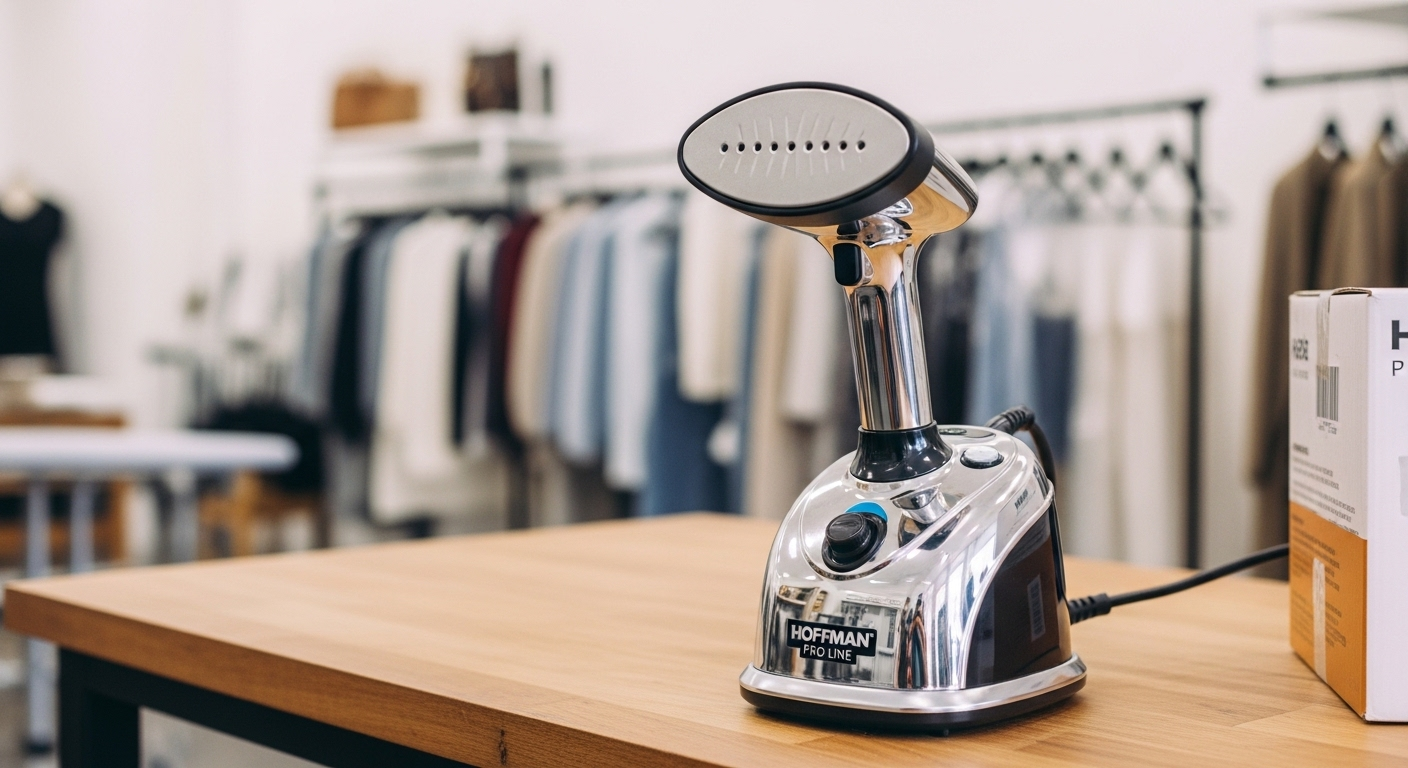
This applies perfectly to most commercial electric boilers used for tasks like jewelry cleaning, garment finishing, or hat shaping. For instance, the portable GEM‑III steamer and Pro Line boilers from Hoffman Steam are considered tangible personal property, making them prime candidates for the Section 179 steam equipment deduction. For hat shops, consider the JEL3 Hat Shaper Bundle.
What About HVAC Systems and Building Improvements?
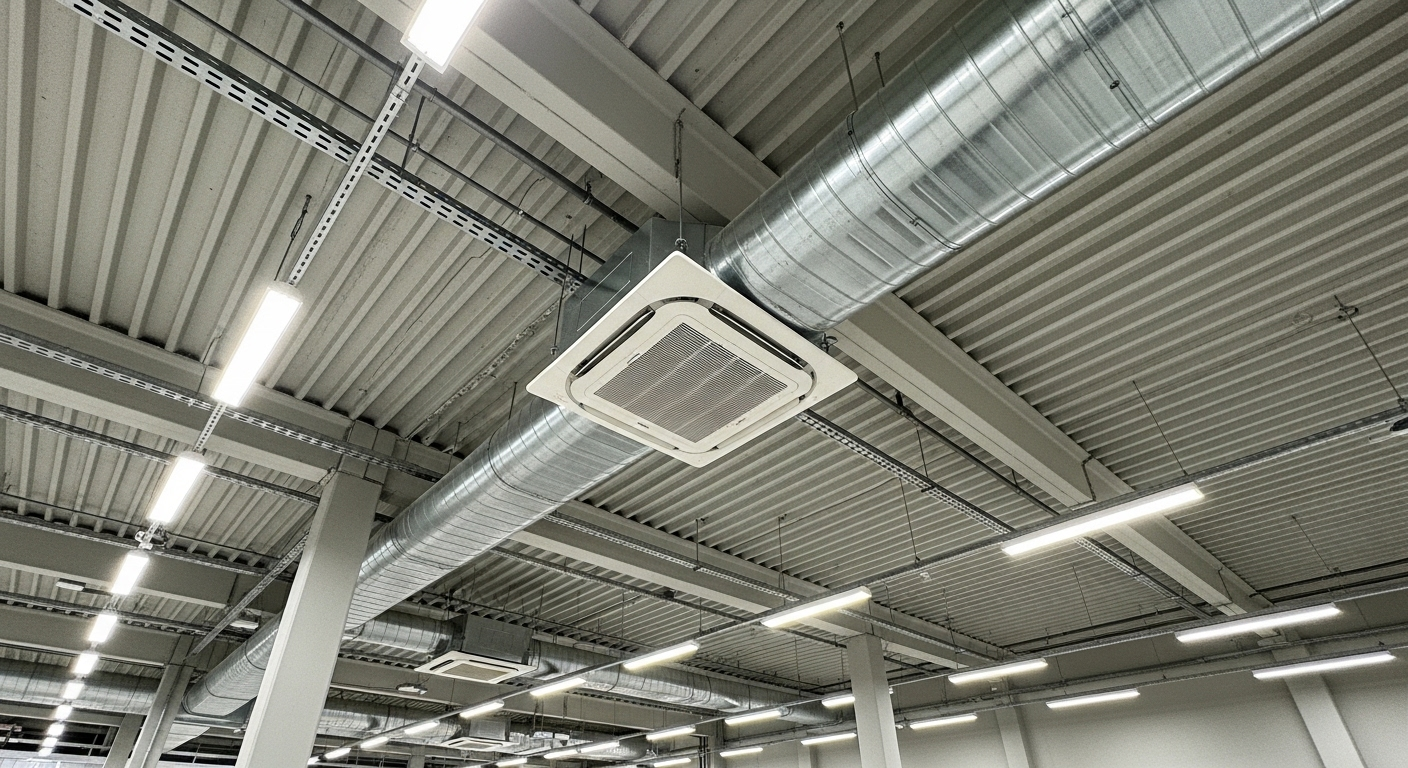
HVAC systems can be a bit more complex because they are often integrated into a building’s infrastructure. Traditionally, a central HVAC system with ductwork and permanent fixtures was considered a building improvement and had to be depreciated over nearly four decades.
However, recent tax law changes created a massive benefit for business owners. The IRS now allows “qualified real property” improvements to be expensed under Section 179. This includes heating, ventilation, and air conditioning equipment installed in a non residential building after the building was first placed in service.
In plain English, if you replace or upgrade the HVAC system in your existing commercial building, you can likely write off the entire cost in year one. This is a huge shift from the old rules and makes investing in more efficient climate control systems much more attractive.
Section 179 vs. 179D: Which is Better for Steam?
While Section 179 allows for an immediate 100% write-off of the equipment cost, large-scale steam boiler upgrades may also qualify for the Section 179D Green Building Tax Deduction.
Section 179: Best for machinery, portable boilers, and standalone HVAC units.
Section 179D: Best for whole-building energy retrofits. In 2026, this can provide a deduction of up to $5.00+ per square foot (indexed for inflation) if the steam system reduces the building’s total energy usage by 25% or more compared to ASHRAE standards.
Pro Tip: You cannot “double dip” the same dollar of expense, but you can often use Section 179 for the equipment and 179D for other parts of a massive building retrofit.
A Breakdown of Section 179 Rules and Eligibility
To make sure your purchase qualifies, it’s important to understand a few key rules.
Do Installation Costs Count?
Yes. The Section 179 deduction isn’t limited to the sticker price of the equipment. Your total deductible cost, or “cost basis,” includes all expenses needed to acquire the asset and get it ready for use. This means you can include:
Sales tax
Freight and shipping fees
Contractor fees for installation and setup
So, if you buy a boiler for $10,000 and pay another $1,000 for delivery and installation, your total Section 179 steam equipment deduction is based on the full $11,000 cost.
The “More Than 50% Business Use” Rule
This is a critical requirement. To qualify for the Section 179 deduction, the equipment must be used more than 50 percent for business purposes. If it’s used 100 percent for your business, you can deduct the full cost. If it’s used 80 percent for business and 20 percent for personal use, you can only deduct 80 percent of the cost.
If business use drops to 50 percent or less, the equipment becomes ineligible. Furthermore, if you claim the deduction and its business use falls below the 50 percent threshold in a later year, you may have to “recapture” or pay back part of the tax benefit. For dedicated commercial Section 179 steam equipment, this rule is almost always easily met.
What “Placed in Service” Really Means
This is all about timing. To claim the deduction for a specific tax year, the equipment must be “placed in service” by the end of that year. This means it has to be installed, operational, and ready for its intended use. Just buying it isn’t enough.
For a business on a calendar year, your new Section 179 steam equipment must be up and running by midnight on December 31st. If you purchase a boiler in December but it sits in a crate until January, you can’t claim the deduction until the following year’s tax return. Plan your year end purchases accordingly to ensure you have enough time for delivery and installation.
Can I Deduct Used or Financed Equipment?
Yes to both. This flexibility makes the deduction even more valuable for small businesses.
Used Equipment: The asset doesn’t have to be brand new. As long as the equipment is “new to you” (meaning you’ve never owned or used it before), it qualifies. This is great news if you’re looking at factory refurbished models, which can offer significant savings while still qualifying for the full deduction. The equipment just can’t be acquired from a related party.
Financed Equipment: You do not need to pay cash to claim the deduction. Equipment that is financed or leased with a capital lease qualifies for the full write off in the year of purchase. This creates a fantastic cash flow opportunity: you can acquire new equipment with little to no money down, deduct the full cost on your taxes, and use the tax savings to help make your loan payments. Many businesses, including those who take advantage of Hoffman Steam’s financing options, use this strategy to grow without draining their cash reserves.
Understanding the Financial Limits of Section 179
While incredibly generous, the Section 179 deduction does have some limits designed to keep it focused on small and medium sized businesses.
Deduction Caps and Phase Out Thresholds
There are two main numbers to know each year:
The Deduction Limit: This is the maximum amount of equipment cost you can expense in a single year. For 2023, this cap was $1,160,000. It is indexed for inflation and is scheduled to increase significantly in the coming years.
The Spending Threshold: This is the point where the deduction begins to phase out. For 2023, this threshold was $2,890,000. For every dollar your business spent on equipment over this amount, your available deduction was reduced by a dollar. The deduction is fully phased out for businesses that spend over a certain amount (about $4.05 million for 2023).
Most small businesses will not come close to these limits, allowing them to fully expense all their qualifying purchases.
How Bonus Depreciation Works with Section 179
Bonus depreciation is another accelerated depreciation tool that can be used alongside Section 179. After you’ve applied Section 179, bonus depreciation lets you deduct a percentage of the remaining cost.
It’s important to know that bonus depreciation is currently phasing out. It was 100 percent from 2017 to 2022, but dropped to 80 percent in 2023. The rate will continue to decline each year:
2024: 60 percent
2025: 40 percent
2026: 20 percent
2027: 0 percent (unless Congress extends it)
The best strategy is often to use Section 179 first to write off equipment up to the annual limit. Then, apply bonus depreciation to any remaining cost. Unlike Section 179, bonus depreciation is not capped by your business income and can be used to create a net operating loss. Together, these two incentives provide powerful ways to reduce your tax bill.
2026 Tax Provision | Limit / Rate |
Maximum Section 179 Deduction | $2,560,000 |
Spending Phase-Out Threshold | $4,090,000 |
Bonus Depreciation Rate | 100% (Permanent under OBBBA) |
SUV Weight Limit (6,000-14,000 lbs) | $32,000 Cap |
Business Use Requirement | > 50% |
Final Steps: Recordkeeping and Documentation
Claiming a major deduction like Section 179 requires good paperwork. While it’s unlikely to trigger an audit on its own, you need to be able to back up your claim if the IRS asks. Be sure to keep:
Purchase invoices and contracts.
Proof of payment (canceled checks, credit card statements).
Receipts for shipping, delivery, and installation costs.
Records showing the date the equipment was placed in service.
Usage logs if the asset has any potential for personal use.
You’ll make the official election for Section 179 on IRS Form 4562, which is filed with your business tax return. Proper documentation ensures you can confidently take the Section 179 steam equipment deduction you’re entitled to. Investing in quality equipment is a smart move, and understanding the tax benefits makes it even smarter. Not sure which model fits your shop? See Which Steamer Is Right for Me.
Frequently Asked Questions About Section 179 Steam Equipment
Can I claim the Section 179 deduction for a steam boiler I bought last year but installed this year?
No. The deduction is based on the year the equipment is “placed in service,” meaning it’s installed and ready for use. You would claim the deduction in the year you installed it, not the year you purchased it.
Is a portable commercial steamer eligible for Section 179?
Yes. A portable steamer is clearly defined as business equipment or machinery (tangible personal property), not a structural part of a building. This makes it a perfect candidate for the Section 179 steam equipment deduction.
What’s the main difference between Section 179 and Bonus Depreciation for steam equipment?
Section 179 is an election with a specific dollar limit (over $1 million) that you can apply to specific assets, but it can’t be used to create a business loss. Bonus Depreciation is an automatic percentage based deduction (currently phasing down from 80%) that applies to remaining assets and can create a loss. Businesses often use Section 179 first, then Bonus Depreciation.
If I finance my new boiler, can I still deduct the full price?
Absolutely. You can deduct the full purchase price of the Section 179 steam equipment in the year you place it in service, even if you financed the purchase and have only made a few payments.
Does the Section 179 deduction apply to both new and refurbished steam equipment?
Yes. As long as the equipment is “new to you” and not acquired from a related party, it qualifies. This makes buying factory refurbished equipment from a trusted source like Hoffman Steam an excellent way to save money upfront and still get the full tax benefit.


