

TL;DR
Steam cleaning upholstery without checking fabric codes, controlling moisture, or matching PSI to the material can cause permanent damage, from mold growth to fiber shrinkage to color bleeding. Most online advice conflates general upholstery cleaning with steam-specific technique, and nearly all of it targets homeowners using consumer handheld units. This guide covers the 12 most costly upholstery steam cleaning mistakes, explains why each one happens, and shows what professionals with commercial equipment do differently.
Quick Answer: Most Common Upholstery Steam Cleaning Mistakes
The biggest upholstery steam cleaning mistakes are:
– Ignoring fabric cleaning codes (W, S, WS, X)
– Over-wetting cushions and foam
– Using excessive PSI on delicate fabric
– Steam cleaning silk, velvet, suede, or damaged vinyl
– Skipping pre-vacuuming and spot testing
– Using the wrong type of steam equipment
– Rushing dry time and trapping moisture
The most serious risks are mold growth, color bleeding, shrinkage, and permanent fiber damage. Professional upholstery cleaners avoid these problems by using adjustable-pressure dry-vapor steam systems, controlled moisture levels, proper attachments, and fabric-specific cleaning methods.
Why These Mistakes Matter More Than You Think
Steam cleaning is one of the most effective ways to sanitize and restore upholstered furniture. It kills bacteria, removes allergens (upholstered furniture can trap up to 80% of household dust, dirt, and allergens), and avoids the chemical residues that concern both consumers and commercial operators.
But the same heat and moisture that make steam powerful also make it dangerous when misapplied. The consequences are not subtle: mold colonies forming inside cushion foam, silk fibers shrinking irreversibly, dye bleeding across an entire sofa panel. The global steam cleaner market is projected to reach $4.82 billion by 2030, growing at a 5.12% CAGR, which means more people and businesses are using steam equipment than ever before. More users means more mistakes.
Here’s the problem with most upholstery steam cleaning advice online: it’s written for homeowners with $40 handheld steamers, and it lumps steam cleaning together with general upholstery cleaning. The mistakes that matter for a professional upholstery shop running a commercial boiler at 70+ PSI are different in degree and kind from those facing someone with a consumer garment steamer.
This guide covers both worlds. Whether you run a furniture restoration business or you’re about to tackle your living room couch, these are the upholstery steam cleaning mistakes that cost the most, and the fixes are specific.
Running an upholstery shop? Explore Hoffman’s commercial upholstery steamer guide to see how purpose-built equipment prevents many of these problems from the start.
Can Steam Cleaning Damage Upholstery?
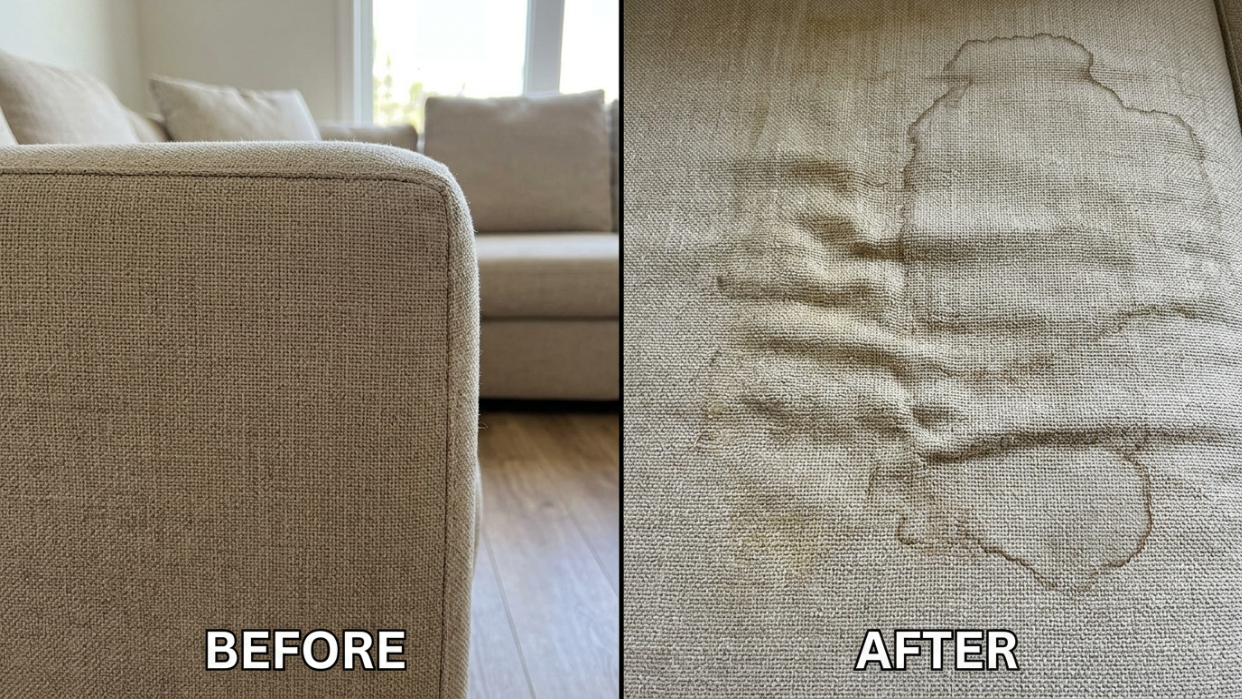
Yes, steam cleaning can permanently damage upholstery when the wrong pressure, moisture level, or temperature is used.
The highest-risk situations include:
Steam cleaning solvent-only fabrics
Over-saturating cushion foam
Applying excessive PSI to delicate fibers
Using consumer steamers that release too much liquid water
Cleaning heat-sensitive materials like silk or velvet
However, when done correctly with proper fabric identification and controlled dry-vapor equipment, steam cleaning is one of the safest and most effective upholstery sanitization methods available.
Most professional damage claims come from:
Incorrect fabric identification
Over-wetting
Inadequate drying
Improper pressure settings
At-a-Glance: Upholstery Steam Cleaning Mistakes Summary
Mistake | What Goes Wrong | Severity | Fix |
|---|---|---|---|
1. Ignoring fabric cleaning codes | Permanent water rings, shrinkage, texture damage | High | Check W/S/WS/X code before any cleaning |
2. Over-wetting the fabric | Mold growth in foam, wood frame damage | High | Use fast passes; commercial dry-vapor equipment |
3. Skipping pre-vacuuming | Embedded dirt turns to mud, damages fibers | Medium | Thorough vacuum with upholstery attachment first |
4. Using wrong pressure (PSI) | Fiber damage or ineffective cleaning | High | Match PSI to fabric type (30-250 range) |
5. Steaming heat-sensitive fabrics | Shrinkage, melting, permanent texture change | High | Know your fibers; walk away from silk/velvet |
6. Skipping the spot test | Discoloration, texture change across whole piece | Medium | Test hidden area, wait for full dry |
7. Using tap water | Mineral stains on fabric, equipment clogging | Medium | Use manufacturer-recommended water type |
8. Not pre-treating stains | Set-in stains become permanent | Medium | Apply enzyme or appropriate pre-treatment first |
9. Rushing dry time | Mold, mildew, compressed fibers | High | Wait 4-12 hours; use fans/dehumidifier |
10. Confusing steam types | Wrong moisture levels for the job | Medium | Understand dry vapor vs. hot water extraction |
11. Using wrong tools | Poor results, potential fabric damage | Medium | Use purpose-built upholstery attachments |
12. Neglecting equipment maintenance | Declining steam quality, mineral residue | Low-Med | Descale regularly, follow maintenance schedule |
1. Ignoring the Fabric Cleaning Code
This is the single most cited upholstery steam cleaning mistake across every professional source, and for good reason. It’s the fastest path to irreversible damage.
Every piece of upholstered furniture ships with a cleaning code tag. You’ll typically find it on the base of the sofa, under the seat cushions, along the side near the armrest, or completely underneath the frame. These codes are not suggestions. They are the manufacturer’s specification for what the fabric can tolerate.
The four standard codes:
W: Water-based cleaning is safe. Mild dish soap and water, blot (don’t rub). Steam cleaning is generally acceptable.
S: Solvent-only. No water, no steam, ever. These are typically natural fibers like linen, wool, and silk where water-based methods cause rings, shrinkage, or warping.
W/S: Either water-based or solvent cleaning works. Start with the gentler option.
X: Vacuum or brush only. No liquids of any kind. Professional service only for anything beyond dry maintenance.
The critical rule: never steam clean S or X coded fabrics. Ignoring these codes is one of the fastest ways to cause permanent damage, including water rings, rough texture changes, and color bleeding that no amount of follow-up work will fix.
For professional shops handling client furniture, checking the code should be part of the intake process, documented before any work begins. It protects both the fabric and your business.
2. Over-Wetting the Fabric
If ignoring cleaning codes is the most common mistake, over-saturation is the most dangerous. It’s also the mistake where equipment quality matters most.
Upholstery contains foam cores, batting, and sometimes down that absorb water readily. When you hold a steamer in one spot too long, or when your equipment delivers too much liquid water along with the steam, you waterlog the cushion interior. The fabric surface might look fine. The inside is soaking.
The consequences are serious. Mold spores are always present in ambient air, and they begin colonizing any damp surface within 24 to 48 hours. One survey found that approximately 30% of homeowners reported mold after steam cleaning. That number almost certainly reflects consumer-grade equipment that sprays too much water.
Practitioners on boating forums confirm this risk from a different angle. One self-identified upholstery professional on iBoats warned bluntly: “NO STEAM! By introducing steam (especially at pressure), all you’re doing is adding more water thru the vinyl and into the foam.” His point was specific to worn vinyl where the protective outer layer had degraded, but the principle applies broadly. Once water penetrates into padding, it stays there.
The professional fix: Make multiple fast passes rather than one slow, heavy one. Upholstery should feel damp to the touch after steaming, never wet. Commercial dry-vapor steamers produce steam with very low liquid water content, so furniture typically dries within 15 to 30 minutes instead of hours. This is the single biggest advantage of commercial steam boiler equipment over consumer units for upholstery work.
Warning Signs You’ve Over-Steamed Upholstery
If upholstery remains damp too long after steam cleaning, problems often appear within 24 to 72 hours.
Watch for:
Musty or sour odors
Dark moisture rings
Stiff or crunchy fabric texture
Wrinkling or puckering
Discoloration
Cushions feeling unusually heavy
Mold spots beneath cushions
Persistent dampness inside seams
If these symptoms appear, increase airflow immediately and avoid using the furniture until it is fully dry.
3. Skipping Pre-Vacuuming
This mistake is straightforward but consistently ignored, especially by DIYers eager to start steaming.
Before any steam touches the fabric, you need to vacuum thoroughly with a proper upholstery attachment. The goal is removing all loose debris: dust, pet hair, crumbs, grit, dead skin cells, and everything else that accumulates in furniture daily.
If you skip this step, you’re making mud. Loose dirt mixes with steam moisture and gets pushed deeper into the fibers instead of being extracted. Fine grit particles can also act as abrasives during the steaming process, damaging fibers that would otherwise be fine.
For professional shops, this should be non-negotiable. Use a commercial vacuum with a HEPA filter and spend time on crevices, seams, and the gaps between cushions and the frame. The five minutes you invest here dramatically improves the steam cleaning result.
4. Using the Wrong Pressure Setting
This is where the gap between consumer advice and professional practice is widest. Most articles about upholstery steam cleaning mistakes discuss temperature. Experienced operators know that PSI is the variable that matters most for fabric safety.
Here’s a general framework:
30-50 PSI: Delicate fabrics, thin upholstery, curtains, decorative pieces
45-90 PSI: Standard residential and commercial upholstery fabrics
150-250 PSI: Heavy-duty commercial furniture, thick industrial textiles, deep stain removal
Consumer handheld steamers typically offer no pressure adjustment at all. You get whatever the unit produces, and you hope it’s appropriate. That’s a recipe for either damaged delicate fabric or ineffective cleaning on heavier material.
Professional-grade steam boilers provide adjustable, consistent pressure output. Matching PSI to the specific fabric is a skill that develops with experience, but it starts with having equipment that gives you control in the first place. For more context on how PSI settings affect results, the differences between pressure ranges are worth understanding before you start any job.
5. Steaming Heat-Sensitive Fabrics
Not every fabric belongs anywhere near a steam cleaner, regardless of the pressure or technique you use.
Fabrics that should raise an immediate red flag:
Silk: Shrinks and water-spots readily. Almost always coded S.
Velvet (especially cotton or rayon velvet): Heat can crush the pile permanently and leave water marks.
Suede and nubuck: Moisture damages the nap and can cause irreversible staining.
Some wools: Prone to shrinkage and felting under heat and moisture.
Worn or cracked vinyl/leather: Steam pushes moisture through degraded surface layers into the substrate.
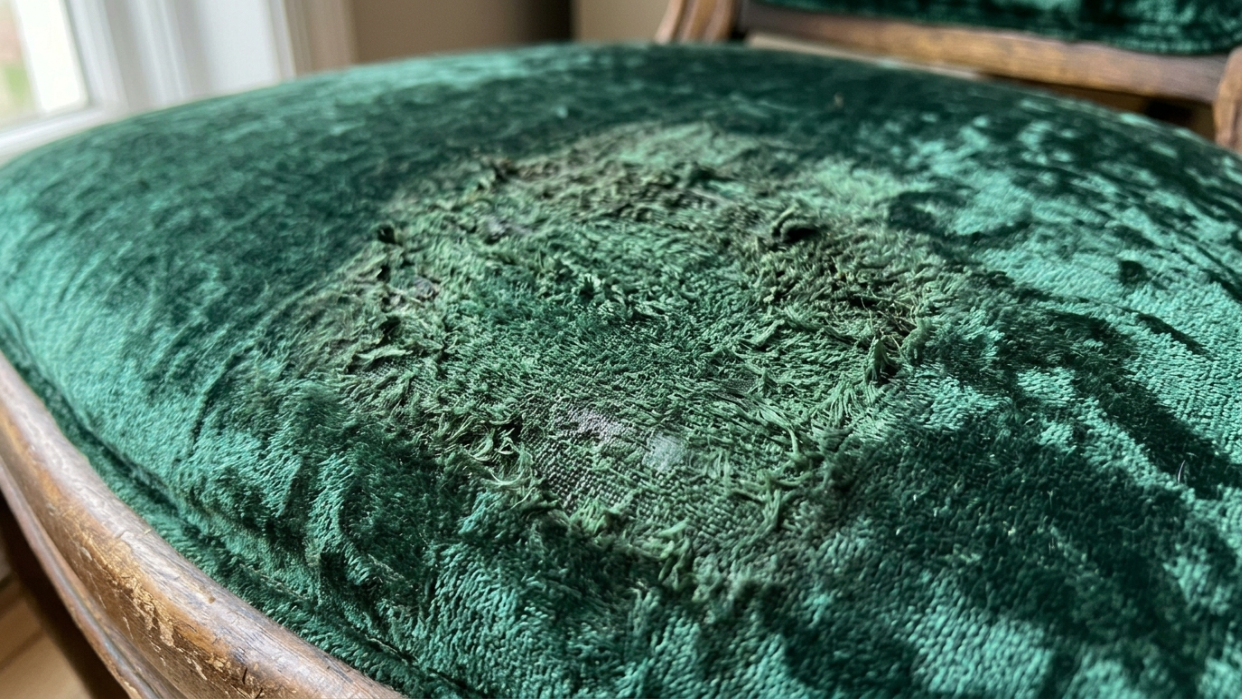
Most modern synthetic upholstery fabrics (polyester, nylon, microfiber, acrylic blends) handle steam well. The problems concentrate in natural fibers and damaged materials.
For guidance on recognizing and handling these situations, the principles in this guide on steaming delicate fabrics apply directly to upholstery work. When in doubt, walk away and recommend dry cleaning or solvent-based treatment. Turning down a job is always cheaper than replacing a client’s furniture.
Upholstery Fabrics That Generally Handle Steam Cleaning Well
The safest upholstery materials for steam cleaning are usually synthetic fabrics that tolerate both moisture and heat.
These commonly include:
Polyester
Nylon
Olefin
Acrylic blends
Microfiber
Many performance fabrics
Fabrics requiring caution or avoidance include:
Silk
Rayon velvet
Linen
Suede
Nubuck
Wool blends
Antique or worn fabrics
Even durable fabrics should always be spot tested before full cleaning.
6. Skipping the Spot Test
Even when the cleaning code says “W” and the fabric is synthetic, you should still run a spot test. This is one of those upholstery steam cleaning mistakes that professionals rarely make twice.
The test serves two purposes. First, it confirms the fabric won’t be damaged by steam at your intended pressure and temperature. Second, it checks colorfastness, whether the dyes in the fabric will bleed or fade.
Choose an inconspicuous area: the back panel near the bottom, the underside of a loose cushion, or the inside of a skirt. Apply steam at the same settings you plan to use for the full cleaning. Then wait. Let the test area dry completely before evaluating. Checking wet fabric tells you nothing useful, because color changes and texture shifts often don’t appear until the material is dry.
This takes 30 minutes to an hour of patience. It can save thousands in replacement costs.
7. Using Tap Water in Your Steamer
This mistake damages both the fabric and the equipment, yet it’s one of the most overlooked upholstery steam cleaning mistakes in everyday practice.
Tap water contains dissolved minerals, primarily calcium and magnesium. When heated, these minerals don’t disappear. Inside the machine, they form scale deposits that clog valves, reduce heating efficiency, and shorten the boiler’s life. On the fabric, they leave behind white residue marks and discoloration.
The standard advice is to use distilled water. That’s correct for most consumer units. But here’s a nuance that no competing article mentions: pure distilled water absorbs carbon dioxide from its environment, especially when superheated, and becomes mildly acidic. That acidity slowly corrodes metal boiler components.
At least one commercial steam equipment manufacturer, Vapor Clean, explicitly warns against using pure distilled water in their machines, recommending a distilled/tap blend instead. The takeaway: follow your specific manufacturer’s water recommendations rather than applying a blanket rule. What works for a plastic-tank consumer unit is not necessarily right for a metal-boiler commercial system.
For more on how water quality and maintenance practices affect commercial steam equipment longevity, the tailoring steam boiler maintenance guide covers the fundamentals that apply across all trade applications.
8. Not Pre-Treating Stains
Steam alone is excellent for general sanitization and light soil removal. It is not a miracle worker on set-in stains.
Coffee, wine, ink, pet urine, grease, and biological stains all benefit from targeted pre-treatment before you apply any steam. Enzyme-based cleaners work well for organic stains (food, pet accidents, blood). Solvent-based spot treatments handle grease and oil. The key disciplines are matching the pre-treatment to the stain type, following the manufacturer’s dilution ratios precisely, and allowing proper dwell time before steaming.
Many ruined upholstery pieces could have been saved by this simple step. When professionals skip pre-treatment and try to power through a stain with extra steam, they typically end up over-wetting the area (mistake #2) while still failing to remove the stain. The stain sets further from the heat, and now you have a moisture problem on top of it.
Pre-treat first. Then steam. The order matters.
9. Rushing the Dry Time
Impatience after cleaning causes more long-term damage than the cleaning itself. Most upholstery takes 4 to 8 hours to dry after steam cleaning, depending on fabric thickness, cushion density, humidity levels, and air circulation. In some conditions, particularly thick cushions in humid environments, you’re looking at 12 hours.
During this window, never reassemble the furniture, place objects on it, or sit on it. Walking on damp carpet or sitting on damp upholstery compresses fibers unevenly and can create permanent texture irregularities. Worse, trapping moisture against any surface (placing cushions back in the frame, pushing the piece against a wall) creates exactly the enclosed, damp environment mold needs to colonize.
Professional techniques to accelerate drying:
Position fans to blow directly across the cleaned surfaces
Run a dehumidifier in the room
Open windows for cross-ventilation when weather permits
Remove cushions from frames and prop them on edge to expose all sides to air
In warm weather, consider moving pieces outdoors (in shade) for faster evaporation
This is another area where equipment type dramatically affects the workflow. Commercial dry-vapor steamers produce steam with minimal liquid water content. Furniture cleaned with these systems typically dries in 15 to 30 minutes, not hours. For professional shops where turnaround time is revenue, this difference changes the economics of every job.
10. Confusing “Steam Cleaning” with Hot Water Extraction
This is not just a semantic point. It’s a practical distinction that affects fabric safety, moisture levels, and results.
What most people call “steam cleaning” in the carpet and upholstery world is actually hot water extraction. This method injects hot water (and sometimes cleaning solution) into fibers under pressure while simultaneously vacuuming it back out. The visible “steam” is just hot water forced through high-pressure jets. It’s an effective cleaning method, but it introduces substantially more moisture than true steam.
True dry-vapor steam, what commercial boiler-based systems produce, works differently. The steam exits at high temperature with very low liquid water content (typically 5-6% moisture). It sanitizes and cleans through heat rather than flooding. This distinction matters enormously for upholstery because the core risk of steam cleaning (over-wetting, mold, slow drying) is primarily a hot water extraction problem, not a dry-vapor problem.
If you’re choosing equipment for a professional upholstery operation, understanding the difference between steamers and extractors is foundational. Using the wrong technology for the job is one of the most fundamental upholstery steam cleaning mistakes a shop can make.
Dry Vapor Steam vs Hot Water Extraction for Upholstery
Feature | Dry Vapor Steam Cleaning | Hot Water Extraction |
|---|---|---|
Moisture level | Very low (5–6%) | High |
Dry time | 15–30 minutes | 4–12 hours |
Mold risk | Low | Higher |
Sanitization effectiveness | Excellent | Good |
Safe for delicate upholstery | Better | More limited |
Water usage | Minimal | Heavy |
Deep stain flushing | Moderate | Excellent |
Best for | Maintenance & sanitization | Heavy soil extraction |
Risk of over-wetting | Low | High |
For upholstery specifically, dry-vapor steam is generally safer because it minimizes moisture intrusion into foam and padding.
11. Using the Wrong Tools
A clothes steamer is not an upholstery steamer. This seems obvious, but it’s a surprisingly common mistake, especially among homeowners who already own a garment steamer and figure it’ll work on the couch too.
Clothes steamers typically lack the pressure needed to penetrate upholstery fabric effectively. They have no suction capability to extract loosened soil. And their nozzles are designed for hanging garments, not flat furniture surfaces. The result: the surface gets damp and slightly freshened, but no real cleaning happens. Dirt just gets wet and resettles.
For professional work, upholstery-specific nozzle attachments make a measurable difference. Wide, flat nozzles distribute steam evenly across cushion surfaces. Crevice tools reach seams and tufting. Detail nozzles handle armrests and decorative elements. The equipment should match the job.
Professional upholstery shops should also consider whether their steam source provides consistent, continuous output. A small consumer unit that needs to reheat every 30 seconds creates uneven cleaning and frustrates workflow. For a deeper look at what commercial upholstery steam setups require, the steam boiler for furniture cleaning guide breaks down the specifications that matter.
12. Neglecting Equipment Maintenance
The last of the common upholstery steam cleaning mistakes is the one that compounds over time. A poorly maintained steamer gradually produces lower-quality steam, less pressure, more spitting (liquid water discharge instead of clean vapor), and eventually fails entirely.
The primary maintenance task is descaling. Regardless of what water you use, mineral deposits build up inside the boiler, in the lines, and at the nozzle. Descaling frequency depends on water hardness and usage volume, but quarterly is a reasonable baseline for commercial operations.
Beyond descaling:
Inspect and replace gaskets and seals according to manufacturer schedules
Check heating elements for corrosion or scale buildup
Clean or replace nozzle tips that show mineral clogging
Drain the boiler completely between extended periods of non-use
For commercial operators, equipment downtime directly costs revenue. A proactive maintenance program pays for itself many times over compared to emergency repairs. The warranty implications also matter: using the wrong water type or skipping required maintenance can void manufacturer warranties on expensive commercial boilers.
Consumer Upholstery Steamers vs Commercial Steam Boilers
Feature | Consumer Handheld Steamer | Commercial Dry-Vapor Boiler |
|---|---|---|
PSI control | Usually none | Adjustable |
Moisture output | High | Low |
Continuous steam | Limited | Yes |
Drying time | Several hours | Often under 30 minutes |
Attachment options | Minimal | Specialized upholstery tools |
Best use case | Light household refreshing | Professional upholstery cleaning |
Risk of over-wetting | High | Lower |
Typical lifespan | 1–3 years | 10–20+ years |
Commercial equipment matters most when cleaning:
Thick cushions
Commercial furniture
Delicate textiles
High-volume upholstery
High-value furniture
The Professional Advantage: Why Equipment Quality Eliminates Most Mistakes
Looking back across this list, a pattern emerges. At least half of these upholstery steam cleaning mistakes are caused or worsened by equipment limitations rather than operator error.
Consumer steamers produce too much liquid moisture (mistake #2). They offer no pressure control (mistake #4). They lack upholstery-specific attachments (mistake #11). Their small plastic tanks make water quality issues worse (mistake #7). And they require hours of drying time that creates mold risk (mistake #9).
Commercial dry-vapor steam systems with proper boilers address these problems structurally. Controlled PSI output matches pressure to fabric type. Dry-vapor technology minimizes moisture introduction. Purpose-built nozzles and attachments handle the geometry of furniture. Metal boilers with proper maintenance programs last for decades (practitioners on Reddit’s r/jewelers and r/BenchJewelers report Hoffman steam equipment lasting 24+ years in daily use, and the same durability applies across trade applications).
For upholstery businesses evaluating their equipment, the Hoffman upholstery shop bundle at $2,329 is designed specifically for this type of work, delivering up to 70-90 PSI with the accessories professional shops need.
Explore Hoffman’s upholstery shop bundle to see full specifications and included accessories.
Key Takeaways
The three most dangerous upholstery steam cleaning mistakes, the ones most likely to cause irreversible damage, are:
Steaming S or X coded fabrics (permanent water damage, zero recovery path)
Over-wetting (mold growth that starts within 24-48 hours, often hidden inside cushions)
Wrong pressure on the wrong fabric (fiber destruction that no amount of technique can undo)
Everything else on this list causes problems that range from annoying to expensive, but these three can total a piece of furniture in a single session.
For DIYers: check the code, do the spot test, don’t linger, and let it dry. For professional shops: proper commercial equipment eliminates most of these risks by design, and the investment pays for itself in avoided damage claims and faster job turnaround.
Professional Upholstery Steam Cleaning Tips
Experienced upholstery cleaners follow several best practices that dramatically reduce damage risk:
Use Multiple Fast Passes Instead of One Slow Pass
Quick passes minimize moisture penetration while still sanitizing the surface.
Keep the Nozzle Moving
Lingering in one area overheats fibers and over-saturates padding.
Prioritize Airflow Immediately After Cleaning
Air movers and dehumidifiers matter almost as much as the cleaning itself.
Always Test Pressure on Hidden Areas First
The same fabric category can behave differently depending on age, dyes, and wear.
Avoid Cleaning Cushions Inside Their Covers
Separating components improves airflow and reduces mold risk.
Frequently Asked Questions
Can you steam clean any couch?
No. Couches with S (solvent only) or X (vacuum only) cleaning codes should never be steam cleaned. Most modern synthetic fabrics with W or W/S codes handle steam well, but you should always spot test first regardless of the code. Delicate natural fibers like silk, certain velvets, and suede are particularly risky.
How long does upholstery take to dry after steam cleaning?
With consumer equipment, expect 4 to 8 hours for typical fabrics and up to 12 hours for thick cushions in humid conditions. Commercial dry-vapor steam systems cut this dramatically, often to 15 to 30 minutes, because they introduce far less liquid water. Use fans, dehumidifiers, and good ventilation to speed drying regardless of equipment type.
What PSI should I use for upholstery steam cleaning?
Delicate fabrics need 30 to 50 PSI. Standard residential and commercial upholstery handles 45 to 90 PSI well. Heavy-duty commercial furniture and deep stain removal can tolerate 150 to 250 PSI. If your equipment doesn’t offer pressure adjustment, you’re gambling with every fabric you clean.
Should I use distilled water in my steam cleaner?
It depends on your equipment. Most consumer steamers benefit from distilled water because it reduces mineral buildup. However, some commercial boiler manufacturers warn that pure distilled water absorbs CO2 and turns mildly acidic, which can corrode metal boiler components over time. Always check your machine’s manual for the manufacturer’s specific water recommendation.
Is a clothes steamer good enough for cleaning a couch?
Not really. Clothes steamers lack the pressure to penetrate upholstery fabric and have no suction to extract loosened dirt. They’ll dampen the surface and provide minimal freshening, but they won’t achieve actual cleaning. Proper upholstery steam cleaning requires purpose-built equipment with appropriate nozzles and sufficient PSI.
What’s the difference between steam cleaning and hot water extraction for upholstery?
Hot water extraction (often marketed as “steam cleaning”) injects hot water into fabric and vacuums it out. True dry-vapor steam cleaning uses a boiler to produce high-temperature, low-moisture steam. For upholstery, dry vapor is generally safer because it introduces far less liquid water, reducing mold risk and drying time substantially.
How often should upholstery be professionally steam cleaned?
Furniture manufacturers generally recommend professional upholstery cleaning every 24 to 28 months. Many DIY articles suggest every 6 to 12 months, but that frequency can actually accelerate wear on some fabrics. For high-traffic commercial furniture (restaurants, waiting rooms, offices), more frequent cleaning may be warranted, adjusted based on soil levels and fabric condition.
Can steam cleaning cause mold in furniture?
Yes, if done incorrectly. Over-wetting is the primary cause. Mold spores begin colonizing damp surfaces within 24 to 48 hours. The risk is highest when using equipment that introduces too much liquid water, when drying is rushed or inadequate, or when cushions are reassembled before they’re fully dry. Commercial dry-vapor systems minimize this risk by design.
Can steam cleaning shrink couch fabric?
Yes. Natural fibers like cotton, wool, silk, and rayon blends can shrink when exposed to excessive heat and moisture. High PSI combined with slow passes increases the risk significantly.
Why does my couch smell after steam cleaning?
A musty smell after steam cleaning usually indicates trapped moisture inside the cushion foam or frame. This happens when upholstery is over-wet or dried too slowly. Increase airflow immediately and avoid using the furniture until completely dry.
Is steam cleaning better than shampooing upholstery?
Steam cleaning generally uses less chemical residue and provides better sanitization, while shampooing can offer stronger soil extraction for heavily soiled furniture. Dry-vapor steam is typically safer for moisture-sensitive upholstery.
Can you steam clean microfiber couches?
Most microfiber upholstery handles steam cleaning well when labeled W or W/S, but excessive heat or moisture can still damage the backing or create water marks. Spot testing is essential.


